🗣️ Indigenous Languages Are Dying: Why Every Language Loss Should Be Mourned

Native American: 🗣️ Indigenous Languages Are Dying: Why Every Language Loss Should Be Mourned
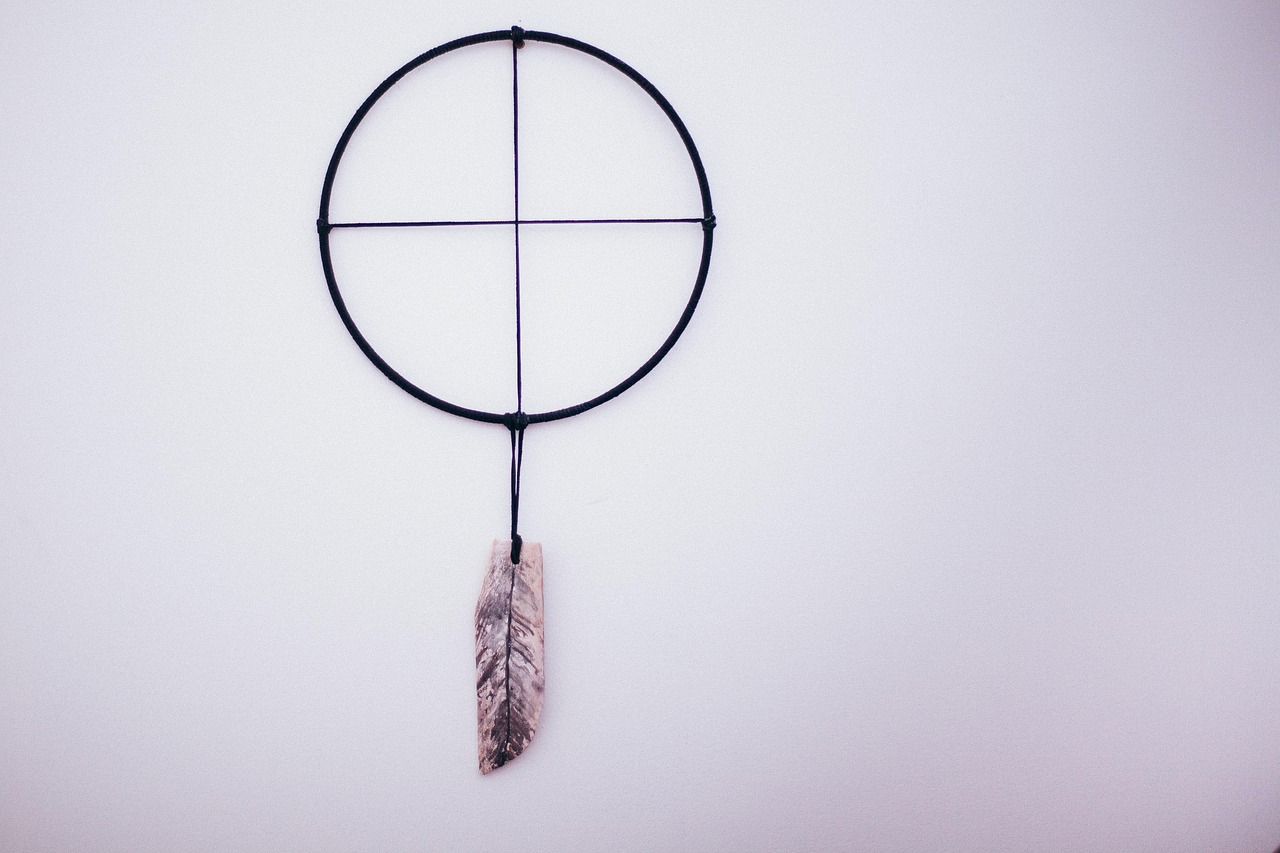
Indigenous languages are disappearing at an alarming rate worldwide. Each lost language is not just one less vocabulary, but a loss of unique knowledge, cultural practices, and identity-defining stories. Language is the heart of culture, community, and worldview. 🌿 Why Languages Are Disappearing Indigenous languages are threatened by colonization, globalization, mandatory schooling in dominant languages, … Read more
🌿 Not Just History: How Indigenous Culture Thrives Today

Indigenous Culture: 🌿 Nicht nur Geschichte: So lebendig und vielfältig ist die Kultur der Ureinwohner heute

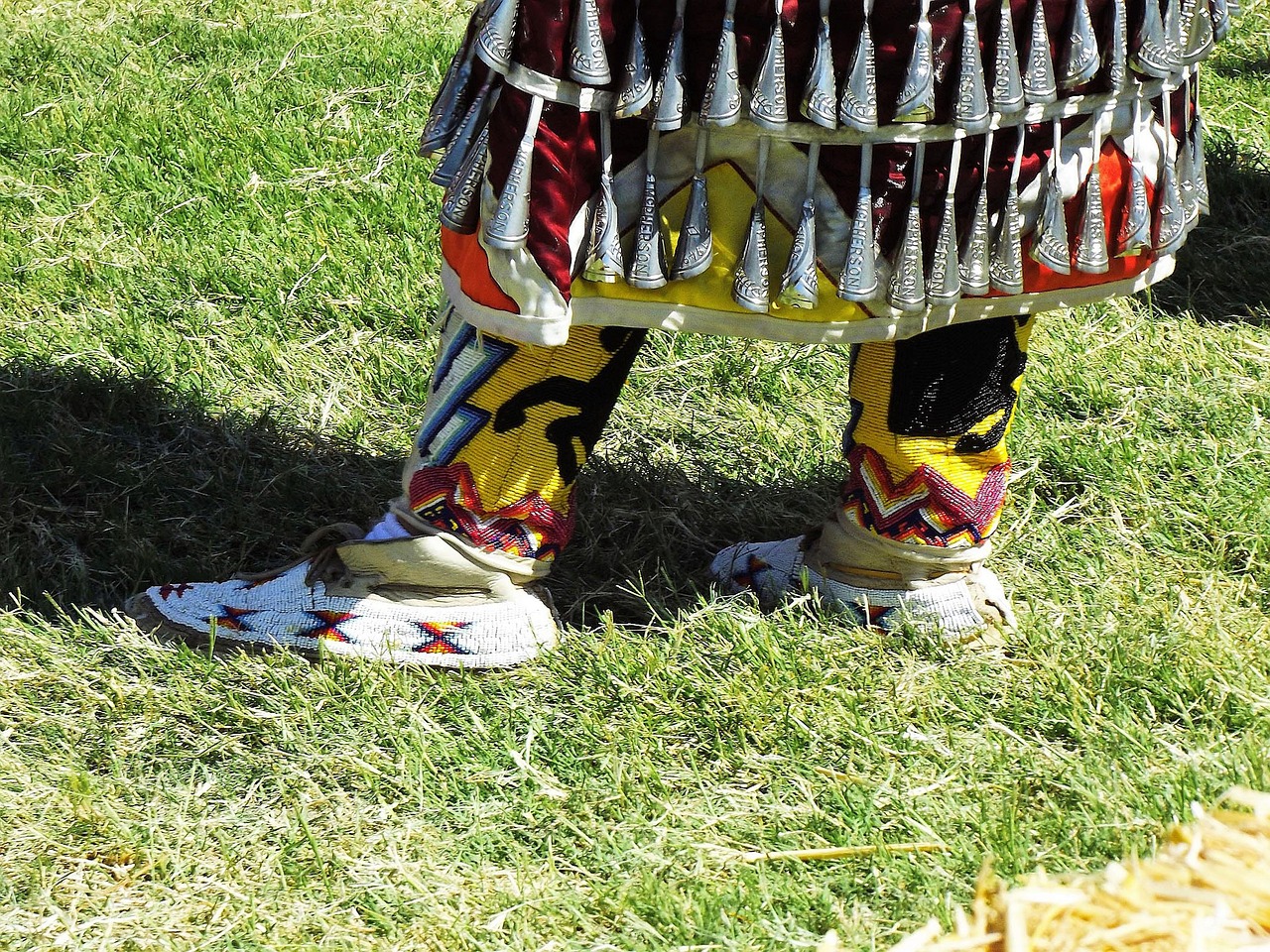
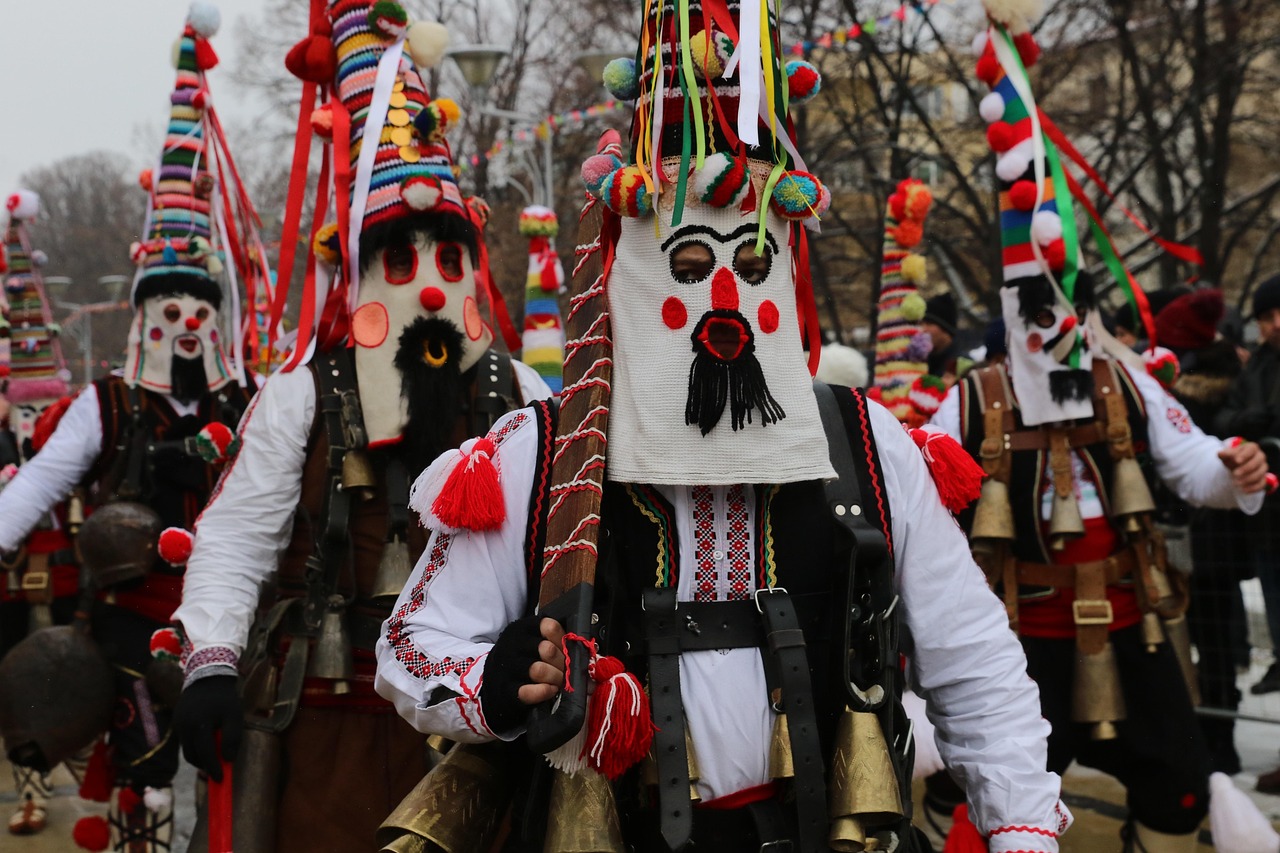
Indigenous culture is often reduced to the past: old rituals, traditional clothing, historical stories. In reality, indigenous communities actively live their culture today—in art, language, music, crafts, education, and political engagement. It is dynamic, creative, and far from static. Tradition and Innovation Hand in Hand Contemporary indigenous artists blend traditional motifs with modern media. Musicians … Read more

🪶 The Powwow Code: A Guide for Outsiders on Etiquette, Meaning, and Music

Indigenous Culture: 🪶 Der Powwow-Code: Eine Anleitung für Außenstehende zu Etikette, Bedeutung und Musik

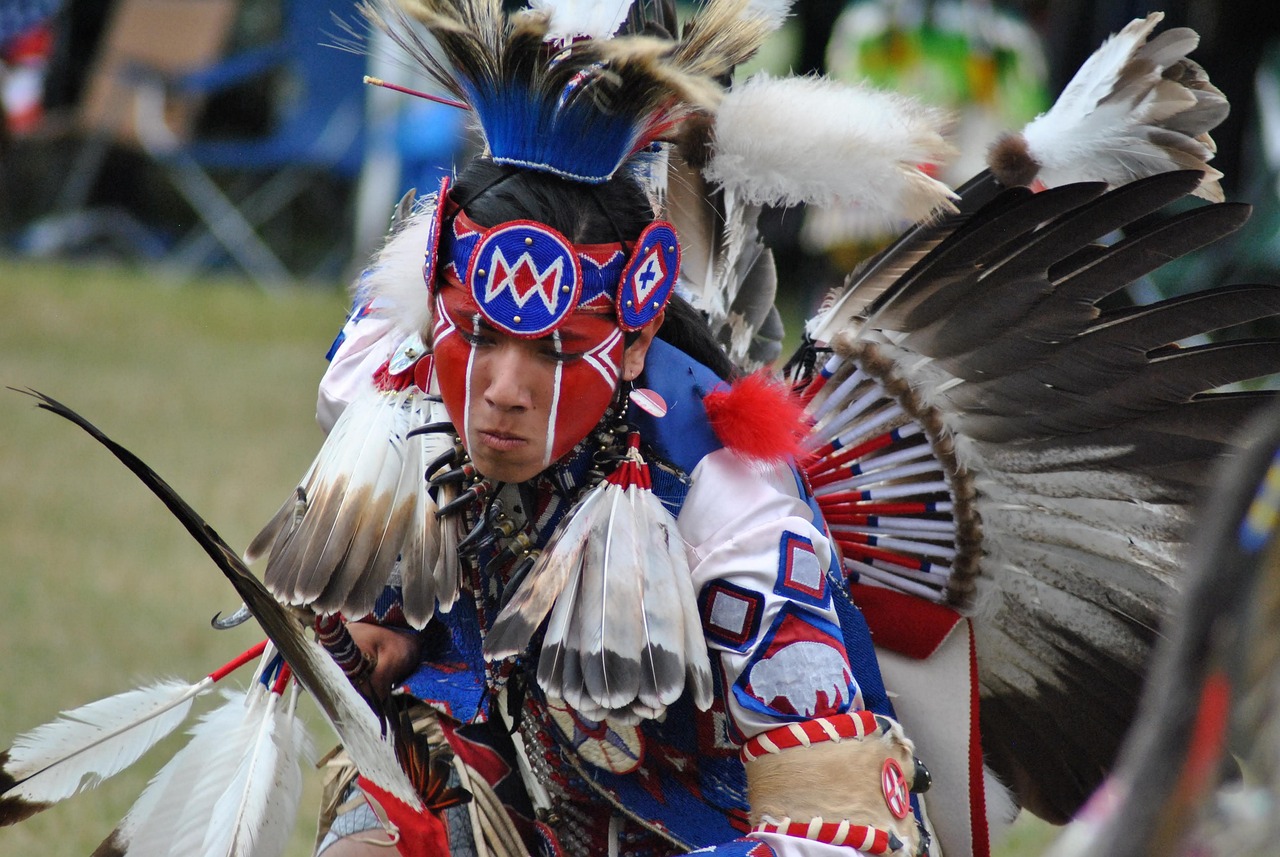
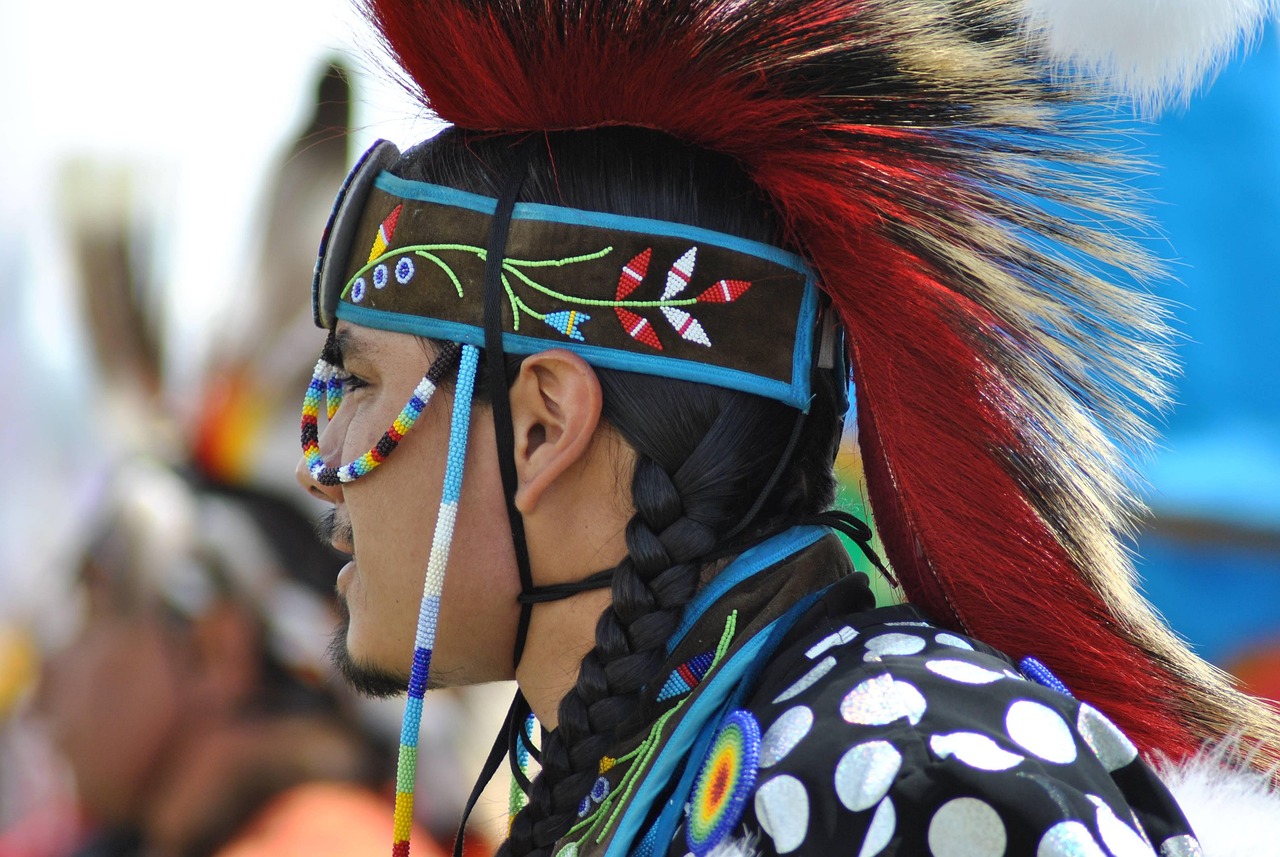
Powwows are central gatherings of indigenous communities in North America, celebrating music, dance, tradition, and community. For outsiders, they can be fascinating, but showing respect requires understanding the etiquette, meanings, and practices involved. What is a Powwow? A powwow is a cultural event featuring dance competitions, drum music, singing, and crafts. It serves to celebrate, … Read more

📺 The Phenomenon “Reservation Dogs”: How a TV Series Breaks Stereotypes and Celebrates Success

Indigenous Culture: 📺 Das Phänomen "Reservation Dogs": Wie eine TV-Serie Stereotype bricht und Erfolg feiert

The series “Reservation Dogs” has drawn attention since its debut: It tells authentic stories of indigenous youth in rural areas of the USA and Canada without relying on stereotypical portrayals. Instead, the show combines humor, drama, and cultural depth, presenting a new image of indigenous identity in pop culture. Background and Creation “Reservation Dogs” was … Read more

🪶 The Maori of New Zealand: How the Treaty of Waitangi Became a Model for Reconciliation

Indigenous Culture: 🪶 Die Maori Neuseelands: Wie ihr Vertrag von Waitangi zum Modell für Reconciliation wurde

The Maori are the indigenous peoples of New Zealand, whose culture, language, and social structures shape the country. The Treaty of Waitangi of 1840 marked a turning point: it was intended to protect Maori rights and has since become an international model for reconciliation and indigenous recognition. Historical Background Before European settlers arrived, the Maori … Read more

🌿 The Indigenous Peoples of Taiwan: The Island’s Diverse Austronesian Roots

Indigenous Culture: 🌿 Die Ureinwohner Taiwans: Die vielfältigen austronesischen Wurzeln der Insel

Taiwan’s indigenous peoples, often called “Taiwanese Indigenous,” are descendants of Austronesian peoples who settled the island thousands of years ago. Their culture, languages, and traditions continue to shape Taiwan’s identity, even after long periods of marginalization. Historical Background Before the arrival of Han Chinese and colonial powers, indigenous peoples lived as hunters, gatherers, and farmers … Read more

🌸 The Ainu of Japan: From a Denied People to an Officially Recognized Indigenous Group

Indigenous Culture: 🌸 Die Ainu Japans: Vom verleugneten Volk zur offiziell anerkannten indigenen Gruppe

The Ainu are an indigenous people in northern Japan, primarily on the island of Hokkaido. For centuries, they were marginalized and their culture denied. In 2008, Japan officially recognized the Ainu as an indigenous population, an important step toward preserving their traditions and rights. Historical Background The Ainu originally lived in Hokkaido, parts of Sakhalin, … Read more

🏹 The San of South Africa: Surviving Between Tourism, Land Loss, and Ancient Hunter Culture

Indigenous Culture: 🏹 Die San Südafrikas: Überleben zwischen Tourismus, Landverlust und alter Jägerkultur

The San, also known as Bushmen, are among Africa’s oldest indigenous peoples. Their lifestyle revolves around traditional hunting, gathering, and deep knowledge of flora, fauna, and the environment. Today, they face challenges such as land loss, tourism pressure, and modernization. Historical Background The San have lived for millennia in the Kalahari region and surrounding areas. … Read more

🛡️ The Mapuche of Chile: Their Ongoing Fight Against Land Theft and for Autonomy

Indigenous Culture: 🛡️ Die Mapuche Chiles: Ihr anhaltender Widerstand gegen Landraub und für Autonomie

The Mapuche are the largest indigenous people in Chile, defending their culture, language, and land rights for centuries. Despite decades of marginalization, they continue to fight for autonomy, land ownership, and self-determination. Historical Background The Mapuche primarily inhabit the Araucanía and Los Ríos regions. Before colonial times, they had an independent social, economic, and spiritual … Read more

🌄 Indigenous Peoples of the Philippines: Cordillera Tribes and Their Fight Against Dams

Indigenous Culture: 🌄 Ureinwohner der Philippinen: Stammesgruppen der Cordillera und ihr Kampf gegen Staudämme

The Cordillera region in the northern Philippines is home to numerous indigenous tribes who have lived in close connection with nature for centuries. Protecting land, water, and culture is central to their way of life. Dam projects, however, threaten not only their environment but also their identity and rights. Historical Background The Cordillera region hosts … Read more

Native Roots