🦌🌲 The Sámi of Europe: The Struggle of Scandinavia’s Reindeer Herders for Land and Tradition
Indigenous Culture: 🦌🌲 Die Sámi Europas: Der Kampf der Rentierzüchter Skandinaviens um Land und Tradition

In the icy winds of the Nordic tundra, under the dancing light of the Aurora Borealis, a unique culture has developed over millennia: that of the Sámi, Europe’s only recognized indigenous people. Long mistakenly called “Lapps” – today they proudly claim their own name and their rights. Their lives are inextricably linked to the reindeer, … Read more
🖋️ Tattoo Revival: How Young Indigenous People Are Using Traditional Symbols as Empowerment

Indigenous Culture: 🖋️ Tattoo-Revival: Wie junge Ureinwohner traditionelle Zeichen als Akt der Empowerment stechen lassen

Traditional tattoos have been part of many indigenous cultures worldwide for centuries. Today, they are experiencing a revival: young indigenous people get old motifs and symbols tattooed to celebrate their identity, history, and cultural belonging. Tattoos become a visible expression of empowerment and self-determination. Historical Background In cultures such as the Maori, Samoans, Inuit, Ainu, … Read more

🌿 The Indigenous Peoples of Taiwan: The Island’s Diverse Austronesian Roots

Indigenous Culture: 🌿 Die Ureinwohner Taiwans: Die vielfältigen austronesischen Wurzeln der Insel

Taiwan’s indigenous peoples, often called “Taiwanese Indigenous,” are descendants of Austronesian peoples who settled the island thousands of years ago. Their culture, languages, and traditions continue to shape Taiwan’s identity, even after long periods of marginalization. Historical Background Before the arrival of Han Chinese and colonial powers, indigenous peoples lived as hunters, gatherers, and farmers … Read more

🌸 The Ainu of Japan: From a Denied People to an Officially Recognized Indigenous Group

Indigenous Culture: 🌸 Die Ainu Japans: Vom verleugneten Volk zur offiziell anerkannten indigenen Gruppe

The Ainu are an indigenous people in northern Japan, primarily on the island of Hokkaido. For centuries, they were marginalized and their culture denied. In 2008, Japan officially recognized the Ainu as an indigenous population, an important step toward preserving their traditions and rights. Historical Background The Ainu originally lived in Hokkaido, parts of Sakhalin, … Read more

🌲❄️ Indigenous Peoples of Russia: A Journey to the Koryaks, Chukchi & Others

Indigenous Culture: 🌲❄️ Indigene Völker Russlands: Eine Reise zu den Korjaken, Tschuktschen und anderen

When we think of Russia, we often see the domes of Moscow or the palaces of St. Petersburg. But east of the Urals lies another, much older Russia: a vast mosaic of landscapes and cultures that have lived for millennia in harmony with the harsh beauty of Siberia and the Far East. From the reindeer … Read more

🏹 The San of South Africa: Surviving Between Tourism, Land Loss, and Ancient Hunter Culture

Indigenous Culture: 🏹 Die San Südafrikas: Überleben zwischen Tourismus, Landverlust und alter Jägerkultur

The San, also known as Bushmen, are among Africa’s oldest indigenous peoples. Their lifestyle revolves around traditional hunting, gathering, and deep knowledge of flora, fauna, and the environment. Today, they face challenges such as land loss, tourism pressure, and modernization. Historical Background The San have lived for millennia in the Kalahari region and surrounding areas. … Read more

🛡️ The Mapuche of Chile: Their Ongoing Fight Against Land Theft and for Autonomy

Indigenous Culture: 🛡️ Die Mapuche Chiles: Ihr anhaltender Widerstand gegen Landraub und für Autonomie

The Mapuche are the largest indigenous people in Chile, defending their culture, language, and land rights for centuries. Despite decades of marginalization, they continue to fight for autonomy, land ownership, and self-determination. Historical Background The Mapuche primarily inhabit the Araucanía and Los Ríos regions. Before colonial times, they had an independent social, economic, and spiritual … Read more

🌄 Indigenous Peoples of the Philippines: Cordillera Tribes and Their Fight Against Dams

Indigenous Culture: 🌄 Ureinwohner der Philippinen: Stammesgruppen der Cordillera und ihr Kampf gegen Staudämme

The Cordillera region in the northern Philippines is home to numerous indigenous tribes who have lived in close connection with nature for centuries. Protecting land, water, and culture is central to their way of life. Dam projects, however, threaten not only their environment but also their identity and rights. Historical Background The Cordillera region hosts … Read more

🕸️ Dreamcatcher Myth vs. Reality: The Cultural Appropriation of an Ojibwe Symbol

Native American: 🕸️ Dreamcatcher Myth vs. Reality: The Cultural Appropriation of an Ojibwe Symbol

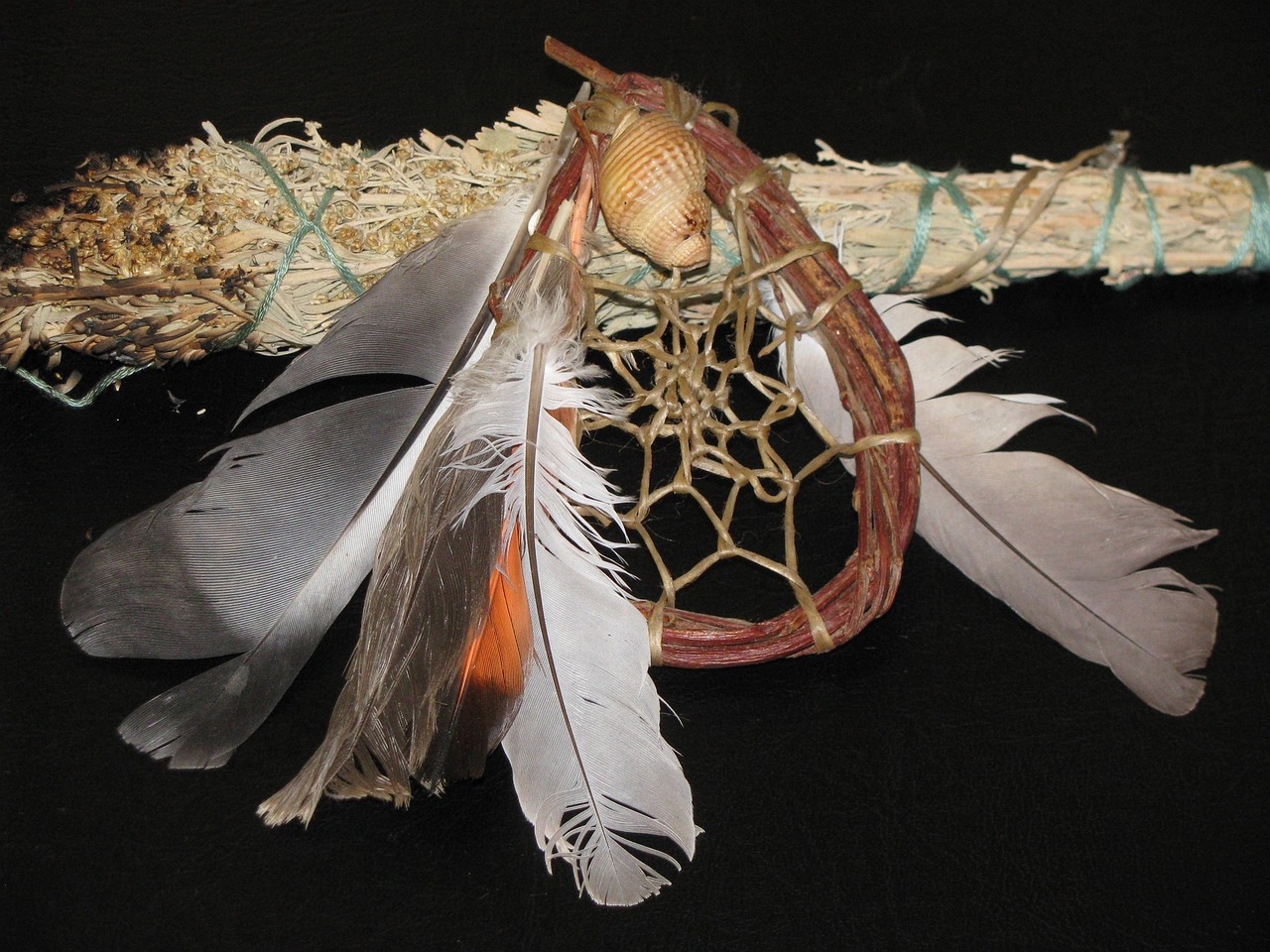
Dreamcatchers are globally popular – as decor, jewelry, or fashion. Yet their origins lie with the Ojibwe (Anishinaabe) of North America, where they are more than decorative objects. They carry spiritual meaning, protective functions, and stories connecting humans and nature. 🌿 Origins of Dreamcatchers The Ojibwe traditionally made dreamcatchers from willow hoops, nets, and feathers. … Read more

Traditional tattoo artist in focus: How one artist is reviving almost forgotten designs

Indigenous Culture: Traditionelle Tätowiererin im Fokus: Wie eine Künstlerin fast vergessene Muster wiederbelebt

In a world where tattoos are often understood as mere body decoration or personal statements, there are artists for whom every line is a prayer feather and every dot a lost word. This is the story of a traditional tattoo artist who works not only with needle and ink but acts as a knowledge archaeologist, … Read more

Native Roots