
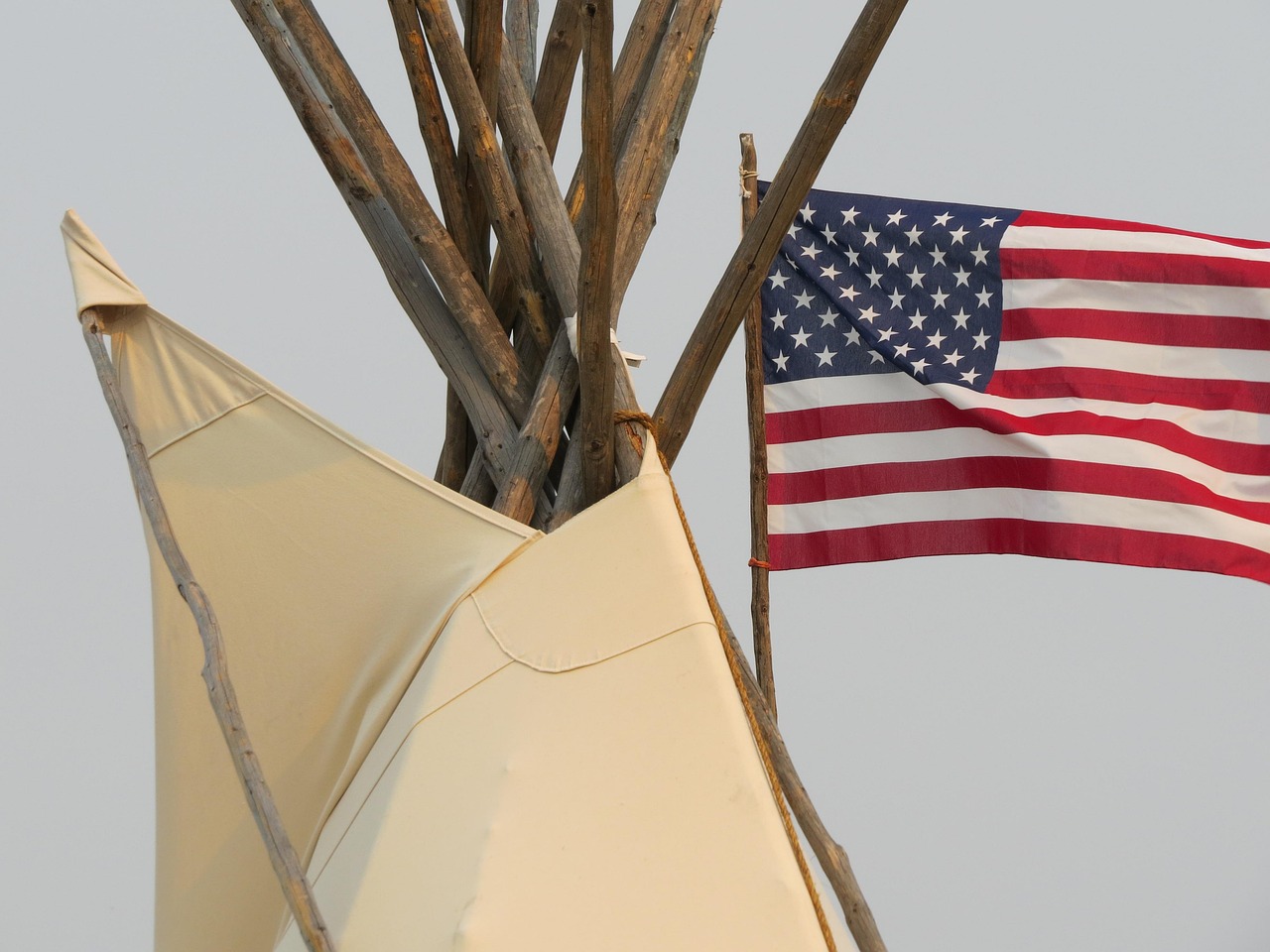
Rites of passage mark the major transitions of life—from birth through initiation to death. In Indigenous cultures across the Americas, Oceania, and Africa, these ceremonies convey identity, strengthen communities, and connect individuals with ancestors and nature.
👶 Birth: Welcoming New Life
Birth is more than a biological event. Across cultures, it is accompanied by rituals, songs, dances, or symbolic gifts. These practices protect the newborn, establish clan affiliation, and ensure spiritual connections.
Examples:
- Māori: Naming ceremonies and blessings by elders.
- Himba (Namibia): Use of ochre and symbolic markings to enhance life energy.
- First Nations (North America): Smoke or water ceremonies for cleansing and welcoming.
🧑 Adulthood: Initiation and Responsibility
Initiation marks the transition from childhood to adulthood. It teaches social roles, spiritual knowledge, and communal responsibilities.
Examples:
- Aborigines (Australia): Walkabout and ceremonies within Dreamtime contexts.
- Zulu (South Africa): Initiation into male or female society with traditional teachings.
- Indigenous North Americans: Vision quests and mentorship by elders.
⚰️ Death: Farewell and Continuity
Death is a transition rather than an end. Ceremonies honor the deceased, support the bereaved, and reinforce social bonds. Totems, songs, dances, or symbolic offerings accompany the farewell.
Examples:
- Māori: Tangihanga – multi-day mourning with speeches and chants.
- Amazonian tribes: Rituals guiding the soul to the ancestral realm.
- Inuit: Traditional burials and remembrance tied to stories and nature.
📜 Practical Wisdom
- Life is carried by community.
- Transitions require rituals to convey meaning.
- Symbols connect past, present, and future.
- Respecting individual paths is central.
- Traditions can be modernized without losing depth.
👥 Who Is This Relevant For?
- Parents & families
- Educators & learners of culture
- Travelers & anthropology enthusiasts
- Those seeking to understand life-cycle rituals
- Culturally sensitive audiences
❓ Frequently Asked Questions
Are these rituals the same everywhere?
No – each culture has unique practices based on history, environment, and spirituality.
Can rituals be adapted?
Yes, but with knowledge and respect, not as mere imitation.
Why are initiation rites important?
They teach responsibility, knowledge, and social roles essential for community survival.
🔚 Conclusion
Rites of passage reveal the deep connection between individual life, community, nature, and spirituality. They teach respect, responsibility, and belonging—and remain alive today.