
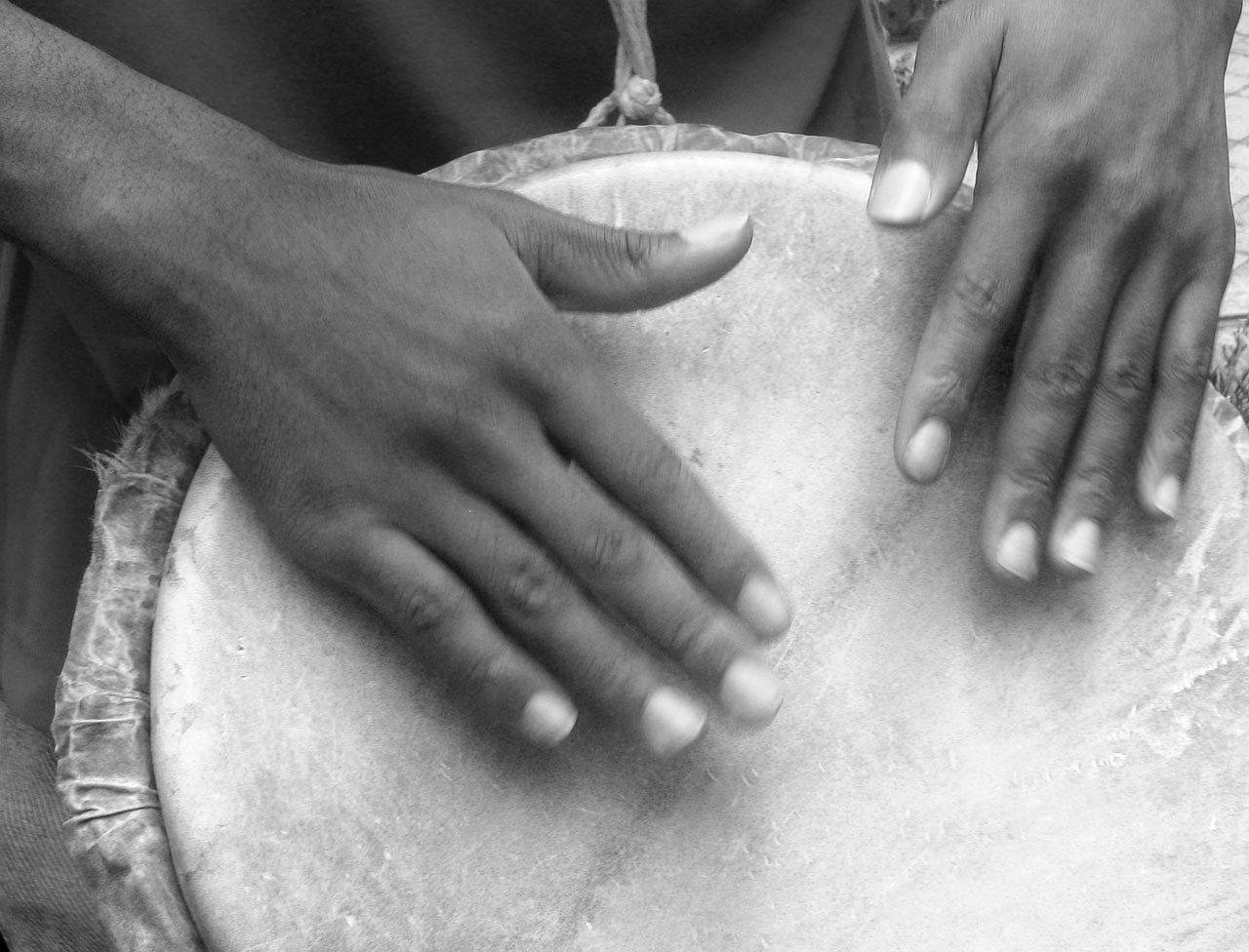
Music, dance, and performance are central forms of expression in indigenous cultures. They connect tradition, community, and spirituality while evolving in contemporary contexts. These art forms are not just entertainment; they convey knowledge, history, and social values.
Historical Roots and Tradition
Many indigenous music and dance forms date back centuries:
- North American Powwow dances (since the 17th century) – community, rituals, and singing
- Inuit Drum Dance (since at least 1600) – storytelling, historical events, and nature knowledge
- Australian Aboriginal Corroboree (over 2000 years old) – dances narrating Dreamtime stories
- West African Griot performance (since the 12th century) – music, dance, and storytelling preserving history
Modern Interpretation and Performance
Today, traditional practices merge with contemporary expression:
- Combining drums, singing, electronic beats, and modern instruments
- Fusion of traditional dances with contemporary dance theatre
- Performances at international festivals like World Indigenous Music Festival (Canada) or Festival International de Musiques et Danses du Monde (France)
- Digital platforms give indigenous artists global visibility
Notable Artists & Groups
- A Tribe Called Red (Canada) – electronic Powwow music, internationally recognized since 2008
- Ulali (USA) – traditional Native American Women Singers
- Baka Pygmy Choir (Central Africa) – performance with dance and singing, touring globally
- Gondwana Dance Theatre (Australia) – contemporary interpretations of traditional Aboriginal dances
Practical Wisdom
- Observe and respect the cultural meaning of music and dance.
- Learn about historical backgrounds and rituals shaping performances.
- Support indigenous artists through festivals, streaming, or purchasing music.
- Recognize the connection of art, community, and environment.
- Reflect on how modern and traditional elements can creatively merge.
Frequently Asked Questions
What is the significance of Powwow dances today?
They strengthen community, identity rituals, and are also showcased internationally at festivals.
How is traditional music integrated into contemporary performance?
Through fusion with modern instruments, dance styles, and digital media.
Where can indigenous performances be experienced live?
At festivals like the World Indigenous Music Festival, Festival International de Musiques et Danses du Monde, or local cultural events in indigenous regions.
Conclusion
Music, dance, and performance link tradition and modernity, expressing cultural identity, community, and creativity. They demonstrate that indigenous cultures are alive, evolving, and inspiring audiences worldwide.