
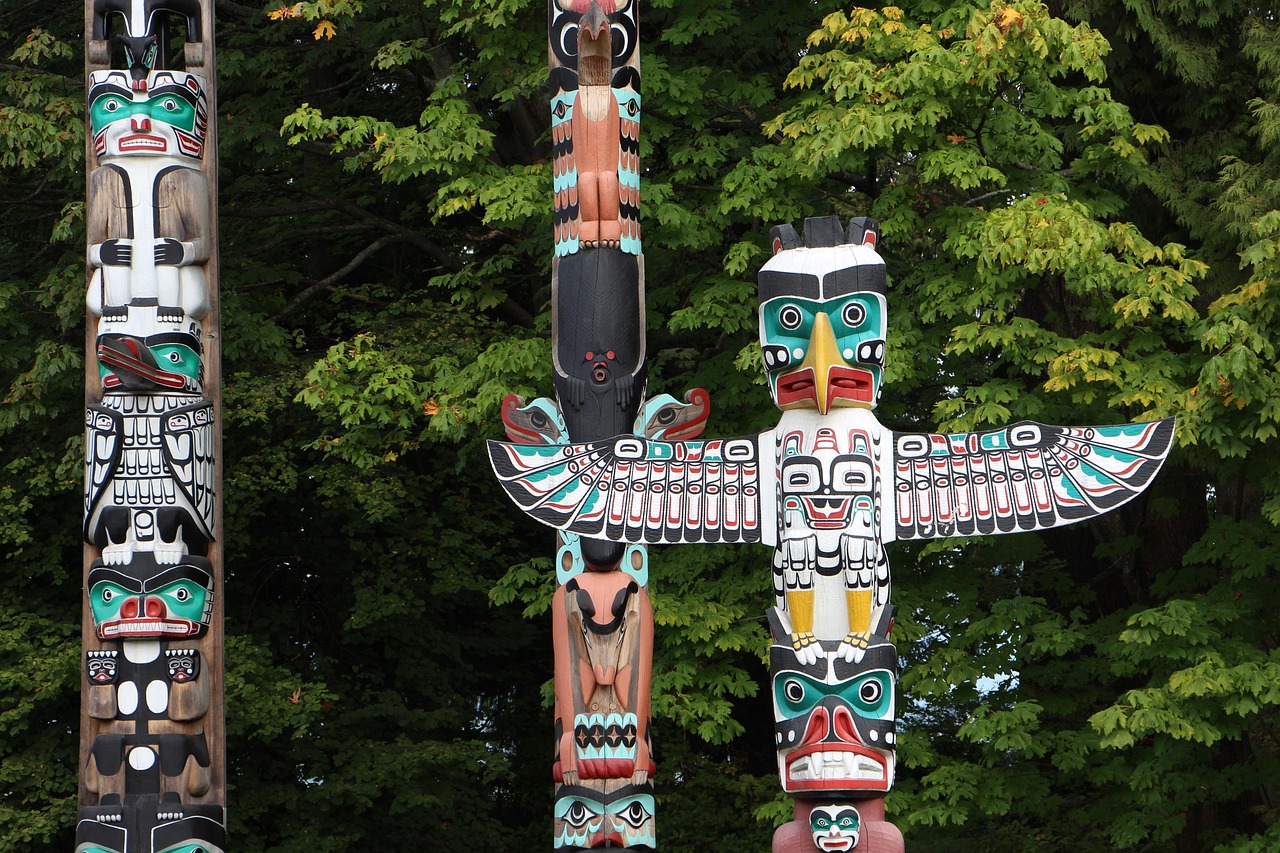
Indigenous films and documentaries offer authentic insights into the culture, daily life, and history of indigenous communities. Unlike mainstream documentaries, which often report from the outside, these works tell stories from the people themselves – incorporating language, rituals, and visual aesthetics that preserve cultural identity.
Notable Films and Filmmakers
Several landmark films showcase the diversity of indigenous perspectives:
- Smoke Signals (1998) – Directed by Chris Eyre, portrays the lives of young Native Americans in the USA.
- Atanarjuat: The Fast Runner (2001) – Directed by Zacharias Kunuk, the first feature entirely in Inuktitut, Canada.
- Reel Injun (2009) – Directed by Neil Diamond, explores the portrayal of Indigenous people in cinema and self-representation.
- Edge of the Knife (2018) – Directed by Gwaai Edenshaw, filmed in Haida language, Canada; highlights tradition, mythology, and community.
- Rhymes for Young Ghouls (2013) – Directed by Jeff Barnaby, addresses colonial trauma and indigenous resilience.
Indigenous Film Festivals and Platforms
Indigenous films are featured at specialized festivals and platforms:
- ImagineNATIVE Film + Media Arts Festival (Canada) – the leading festival for Native Cinema.
- Native Lens Film Festival – showcases works from indigenous filmmakers worldwide.
- Streaming platforms like Kanopy and Netflix increasingly offer Native Cinema content.
Modern Techniques and Storytelling
Indigenous filmmakers combine traditional storytelling with modern media:
- Mixing archival footage, interviews, and feature film
- Use of drones, smartphones, and digital cameras
- Integration of language, rituals, music, and nature as narrative elements
- Storytelling from the community’s perspective
Practical Wisdom
- Be open to authentic stories without external filters.
- Support indigenous filmmakers through festival attendance or streaming.
- Respect cultural sensitivity when sharing or commenting.
- Learn from narrative structures that focus on community and nature.
- Reflect on how film can sustainably convey knowledge and perspectives.
Frequently Asked Questions
Which films are must-sees?
“Smoke Signals,” “Atanarjuat,” “Edge of the Knife,” “Rhymes for Young Ghouls,” and documentaries at the ImagineNATIVE Festival.
How are indigenous films different from conventional documentaries?
They tell stories from the community’s perspective, integrating language, rituals, and culture, rather than reporting externally.
Where can I find current indigenous films?
Festivals like ImagineNATIVE and Native Lens, streaming platforms such as Kanopy and Netflix, and cultural institutions worldwide.
Conclusion
Films and documentaries from an indigenous perspective do more than entertain. They preserve knowledge, strengthen cultural identity, and offer insights often invisible elsewhere. Modern media enables these stories to reach a global audience, making the voices of indigenous communities heard worldwide.