
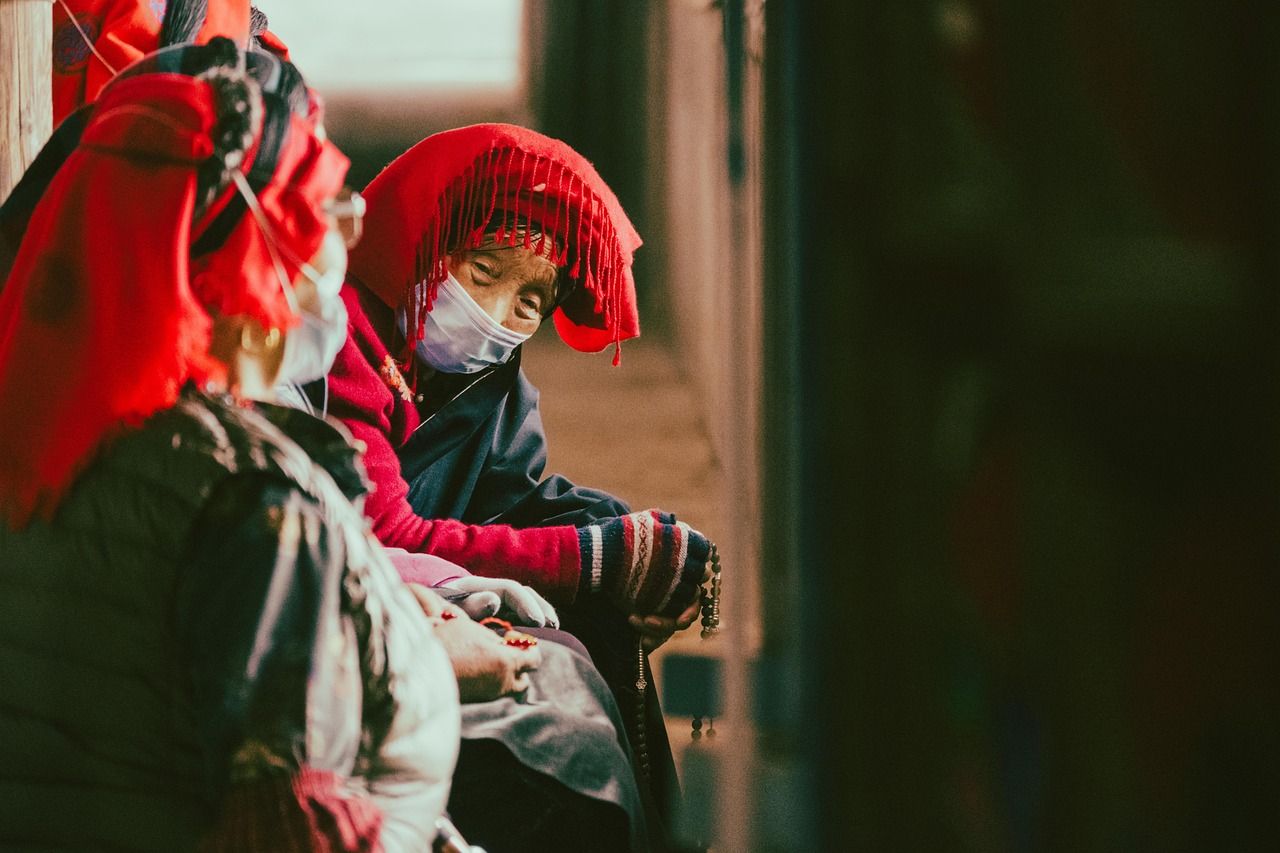
Music in indigenous cultures is much more than entertainment. Drumming, singing, and rhythmic movement accompany rituals, healing ceremonies, and spiritual practices. They connect people with nature, ancestors, and their inner selves, often inducing trance, meditation, and community bonding.
Historical Background
For centuries, indigenous peoples have used drums, flutes, rattles, and songs in ceremonies. Among the Navajo, Maasai, Aboriginal Australians, Inuit, Maori, and many others, these musical practices serve healing, communication with spirits, and the transmission of knowledge.
Drums as the Heartbeat of the Community
The drum often symbolizes the heart of the community and the rhythm of life. Synchronized rhythms create collective consciousness that fosters trance states and spiritual experiences. Music becomes a bridge between humans and unseen forces.
Singing, Calls, and Sound Rituals
Songs and calls convey stories, legends, and moral lessons. They prepare participants for rituals, enhance trance states, and create shared identity. Sound rituals raise awareness of natural cycles, seasons, and connection to ancestors.
Modern Relevance
Today, indigenous communities continue to use music in healing rituals, spiritual workshops, and cultural events. Music expresses identity, cultural renewal, and spiritual empowerment. Modern musicians often blend traditional rhythms with new genres to preserve and share culture.
Practical Wisdom
- Respect the rituals and cultural meanings of music.
- Use drumming and singing as tools for meditation and community.
- Learn the stories and teachings behind traditional songs.
- Support indigenous musicians and cultural projects.
- Recognize the connection between music, spirituality, and nature.
Who is it Relevant For?
- People interested in indigenous spirituality and music.
- Artists and musicians exploring traditional rhythms.
- Travelers seeking authentic ceremonial experiences.
- Academics, anthropologists, and NGOs focused on culture and healing practices.
Frequently Asked Questions
Why are drums so important in indigenous cultures?
They symbolize the rhythm of life, induce trance states, and strengthen community bonds.
Which music forms serve spiritual purposes?
Drums, flutes, rattles, songs, calls, and sound rituals are used to accompany rituals, promote healing, and connect with ancestors.
How can traditional music be used respectfully?
By understanding cultural significance, supporting local musicians, and not trivializing rituals.
Conclusion
Trance and drumming show that music in indigenous cultures is more than sound: it is a means of healing, spiritual connection, and community. Music bridges past and present, strengthens identity, and preserves cultural knowledge for future generations.