
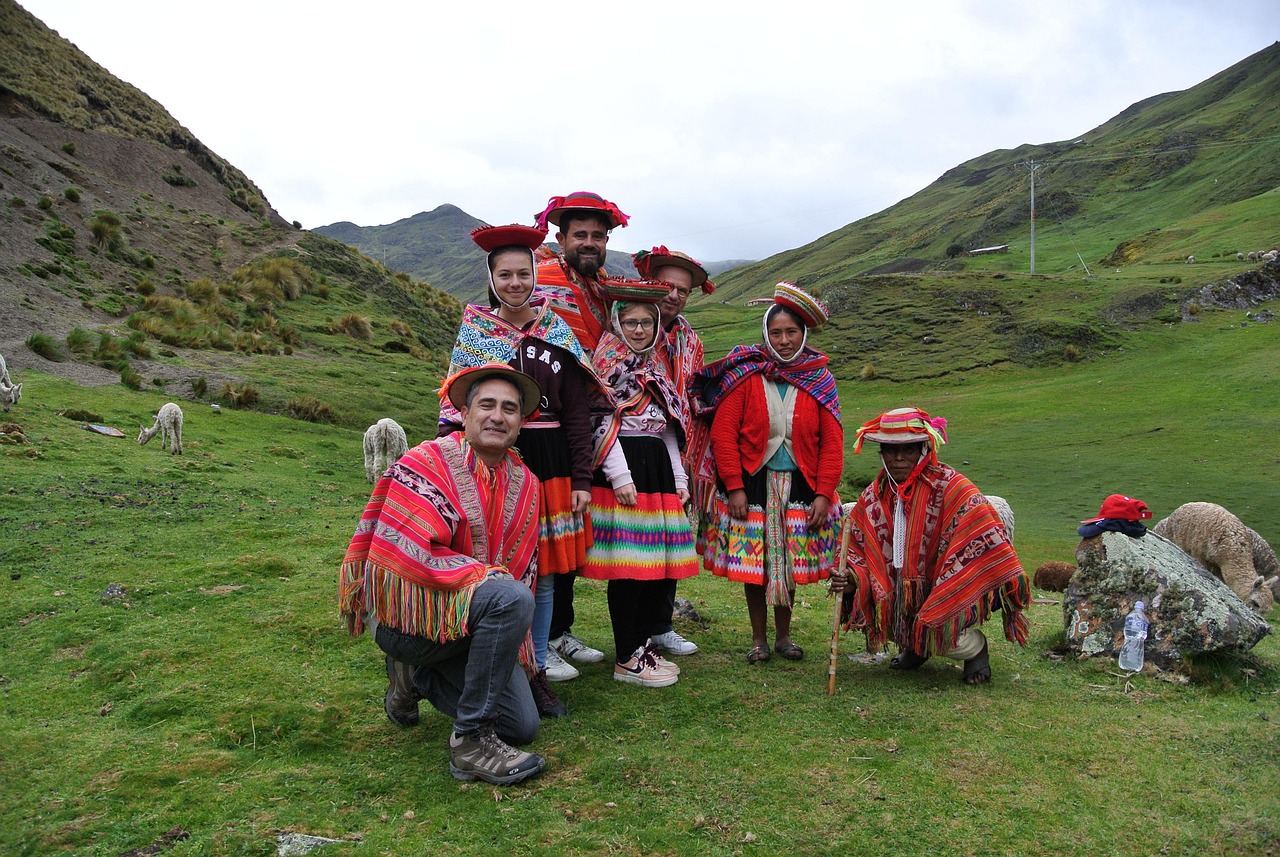
It is a silent crisis of apocalyptic proportions: According to UNESCO, half of the world’s 7,000 languages are threatened with extinction, most of them Indigenous languages. When a language dies, it is not just a set of words that disappears – a unique worldview, millennia-old ecological knowledge, and a cultural heritage vanish with it. But the story is not over. Worldwide, Indigenous communities, often led by determined young people, are waging a remarkable, creative fight for language revitalization. They are using the tools of the 21st century – from smartphone apps to virtual classrooms – to rescue the treasures of the past for the future. This article is a journey to the frontlines of this hope.
Why It’s About More Than Just Words: The Value of a Language
Losing a language is not merely the loss of a communication tool. It is the loss of a unique cosmological and ecological knowledge system.
- Worldviews in Grammar: Some languages make no distinction between “he” and “she” (gender-neutral), others have dozens of words for snow or specific plants describing an entire ecosystem. Grammar structures how we see reality.
- Ecological Lexicon: Indigenous languages are often encyclopedias of local knowledge about medicinal plants, animal behavior, and weather signs. With the language, this manual for sustainable living, collected over millennia, disappears.
- Identity and Mental Health: The connection to one’s mother tongue is central to cultural self-esteem and psychological resilience. Language loss is a deeply traumatic event for communities.
- Linguistic Diversity as Human Heritage: Every language is a unique solution to the problem of human creativity and communication. Its loss impoverishes all of humanity.
The Modern Tools of Revitalization: A Three-Pillar Model
1. The Digital Revolution: Apps, Social Media & Online Platforms
The technology often seen as a threat to small languages is now becoming their most powerful weapon.
- Language Learning Apps: Apps like Duolingo for Hawaiian (ʻŌlelo Hawaiʻi) or more specific ones like Māori Dictionary or FirstVoices (a Canadian platform for First Nations languages) make learning playful, accessible, and location-independent. They reach young, digital natives who may not have regular access to elders.
- Social Media as Language Space: Accounts posting memes, songs, and everyday dialogues in endangered languages are flourishing on TikTok, Instagram, and YouTube. Hashtags like #NativeTikTok create a global community of learners and speakers.
- Digital Archives: Projects like the Enduring Voices Project by National Geographic or The Language Conservancy document the last fluent speakers, create dictionaries and grammars, and make the materials freely available online.
2. The Pedagogical Shift: Immersion Schools & Intergenerational Learning
The most radical and effective method is language immersion, where the endangered language is used as the medium of instruction for all subjects, not taught as a subject itself.
- Language Nests: This model, originating from New Zealand, starts with the very young. Preschools (Kōhanga Reo in Māori) are run entirely by fluent-speaking elders or teachers who speak, play, and sing with the children only in the target language.
- Immersion Elementary and Secondary Schools: Schools like the Hawaiian Language Immersion Schools (Pūnana Leo) or Welsh-Medium Schools show that children can be academically excellent in two (or more) languages. They produce a new generation of fluent speakers.
- Master-Apprentice Programs: A young learner (apprentice) spends regular, intensive time with a last remaining fluent speaker (master). They do everyday activities together – cooking, crafting, gardening – and speak exclusively in the target language. This method bypasses the classroom and creates direct, living language transmission.
3. The Political & Community-Based Pillar: Recognition, Funding & Everyday Use
Technology and education need a supportive framework.
- Official Recognition: Recognizing a language as an official state or regional language (like Māori in New Zealand or Sámi in parts of Scandinavia) gives it legal status, secures funding, and enables its use in government, courts, and public life.
- Community-Based Programs: Language cafes, singing workshops, theater groups, or communal hunting trips in the language create functional, joyful occasions for speaking beyond formal learning. The language is filled again with life, laughter, and community.
- Media Production: Creating attractive content in the language – from radio programs (e.g., Māori Radio), children’s TV series, to video games and music – makes the language “cool” and relevant for daily life.
Challenges on the Path to Revival
- Trauma and Shame: Older generations who were punished in residential schools for speaking their language often hesitate to pass it on to their children and grandchildren. Healing this trauma is a first step.
- Lack of Resources: For very small languages with perhaps only a handful of speakers, there are often no standardized orthography, no textbooks, and very limited financial means.
- The Pressure of Dominant Languages: English, Spanish, Mandarin, etc., offer economic and social advancement opportunities. The decision to invest time in an endangered language is often a difficult trade-off for families.
- The “Semi-Speaker” Gap: Many revitalization programs produce “learners” who can understand the language and form simple sentences but do not achieve the fluent, idiomatic competence of a native speaker. Creating true fluency is the ultimate challenge.
What You Can Do – Even If You Don’t Speak an Endangered Language
- Raise Awareness: Share articles like this one. Talk about the issue. The greatest threat to endangered languages is often indifference.
- Support Digital Projects: Follow and share content from social media accounts promoting endangered languages. Download a language learning app for an Indigenous language – even learning a few words signals demand and interest.
- Practice Ethical Tourism: If you visit areas with Indigenous communities, learn a few basic greetings and polite phrases in the local language. Respect their language policies.
- Be Politically Active: Support political initiatives and NGOs advocating for language rights and funding (e.g., Cultural Survival or The Endangered Languages Project).
- Value Your Own Linguistic Diversity: Recognize the value of dialects, regional languages, and minority languages in your own surroundings. Diversity begins on your doorstep.
Conclusion: Not Just Preserving, But Bringing to Life
Language revitalization is not a museum-like endeavor to preserve old words in glass cases. It is a deeply future-oriented, creative act of resistance and reinvention. It is about giving a language a place again in the heart of the community, in the classroom, on the smartphone screen, and in the songs of the youth. The apps, schools, and programs presented here are more than tools – they are both lifeboats and bridge builders. They show that the extinction of a language is not an inevitable fate. It is a choice. And all over the world, communities are now making the opposite choice: they are choosing not only to save their languages but to make them breathe, laugh, sing, and dream again. The last generation of speakers does not have to be the end. It can be the first generation of a new era.