
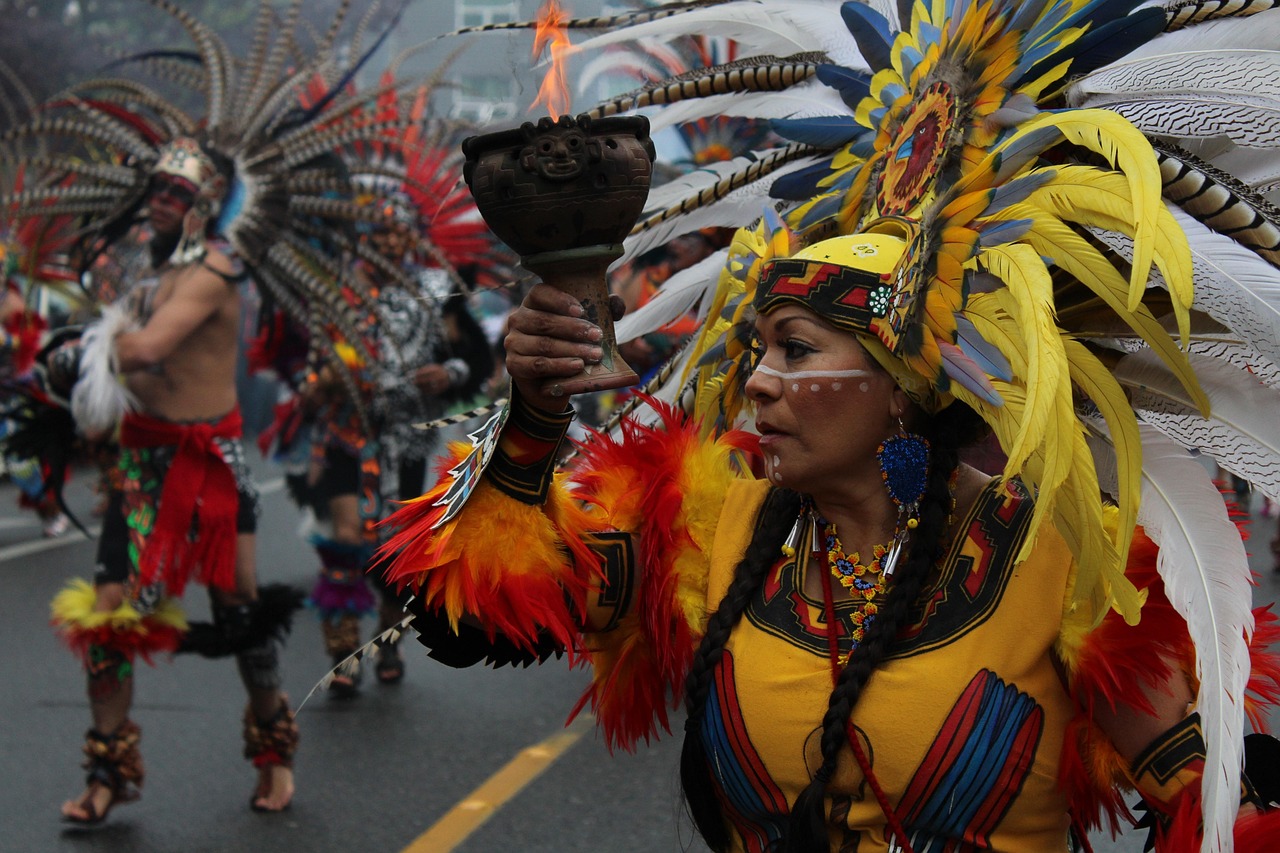
In a world that relies on written contracts, digital servers, and printed textbooks, oral storytelling often seems like something archaic – nice for a campfire evening, but not essential for survival. For Indigenous cultures around the world, this assumption was and is a dangerously flawed one. Where there was no writing, storytelling was humanity’s most advanced database technology. It was the hard drive on which the entire operating system of a culture was stored: history, law, ecology, spirituality, and identity. This article decodes how this “oral encyclopedia” functioned and why it was not a primitive precursor to writing, but a distinct, highly complex art and science – a true survival tool.
More Than Entertainment: The Multiple Functions of Oral Tradition
Every story told in an oral culture had a concrete, life-serving purpose. It was never “just” a story. It functioned as:
- A Historical Archive: It preserved genealogy (ancestral lines), migration routes, treaties between clans, and significant events across generations.
- A Legal Manual: It codified ethics, taboos, property rights, and conflict resolution mechanisms. The story about what happened when someone broke a taboo was the most effective law book.
- An Ecological Curriculum: It stored knowledge about animal behavior, plant cycles, weather signs, and sustainable hunting and gathering practices. A legend about the “spirit of the river” was simultaneously a warning about floods and a lesson in respecting the water source.
- A Psychological and Spiritual Compendium: It addressed universal human themes (envy, courage, love, loss) and explained humanity’s place in the cosmos, the origin of the world, and the nature of gods or spirits.
- An Identity Marker: It defined who “we” are, where we come from, and what distinguishes us from others. It created collective meaning and cohesion.
The Technique Behind the Magic: How Knowledge is Passed Down Perfectly Without Writing
Oral tradition was not a chaotic game of “telephone.” It relied on sophisticated mnemonic systems (memory techniques) that ensured astonishing accuracy over centuries.
1. Structured Narrative Formulas and Repetitions
Stories followed fixed patterns: a specific opening formula (“A long time ago, when the animals could still speak…”), recurring motifs, rhythmic passages, and precise lists (e.g., the names of all chiefs in a specific order). This ritualized structure acted like a scaffold for the storyteller and listeners to cling to. Important information was repeated multiple times in slightly varied forms to sear it into memory.
2. The Role of the Professional Keeper: The Storyteller
In many cultures, there were specially trained individuals – often elders or specific clan members – who served as “living archives.” Their task was not to invent creatively but to preserve the transmitted word exactly. They underwent years of training, memorizing complex story cycles. Their authority and social status depended on the accuracy of their knowledge. They were the human hard drives of the community.
3. Connection with Place, Music, and Ritual
Knowledge was not stored in isolation but anchored multisensorially. A story about a specific battle was told at the site of the battle. A song (like the Sámi joik) embodied a person or an animal. A dance depicted a mythical event. By linking memory to a physical place, a melody, or a bodily movement, it became much stronger and more resistant to forgetting.
4. The Principles of “Cognitive Ease” and Relevance
What was passed down had to meet two criteria: It had to be easy to remember (through strong images, emotions, and actions) and it had to be practically relevant to life. An abstract theory about soil composition does not survive. An exciting story about how the clever rabbit learned to smell the sweetest roots does – and conveys the same ecological knowledge.
The Broken Chain: Why Oral Traditions Are Threatened Today
The introduction of writing, state school systems, and mass media has often brutally interrupted these millennia-old transmission chains. The consequences are profound:
- Loss of Language: When younger generations no longer speak the Indigenous language fluently, the stories and nuances encoded in that language become inaccessible.
- Change in Social Fabric: The authority of elders and storytellers dwindles in favor of teachers, books, and the internet.
- Trauma and Discontinuity: Through colonialism, forced relocation, and cultural genocide, storytellers were killed, rituals banned, and the intergenerational flow of stories violently severed.
- The Illusion of the Superiority of Writing: Written records are often seen as “truer” or more “scientific” knowledge, devaluing oral tradition.
The Renaissance: Storytelling in the 21st Century
Despite all threats, Indigenous storytelling is experiencing a powerful revival – in new forms:
- Digital Archives and Podcasts: Young Indigenous people use digital media to record elders, animate stories, or produce podcasts in their native language.
- Literature and Film: Authors like Louise Erdrich or filmmakers like Taika Waititi translate the structures and themes of oral tradition into award-winning novels and blockbuster films, reaching a global audience.
- Activism and Jurisprudence: Before international courts (as in land rights cases), oral histories and creation stories are increasingly recognized as legitimate evidence of an ancient connection to a territory.
- Pedagogy: In Indigenous schools and community centers, storytelling is being reintroduced as a central teaching tool to convey language, values, and ecological knowledge.
What We Can Learn from This Ancient Art
- Package Knowledge in Stories: Whether in marketing, teaching, or family life: information embedded in a good story is better understood, remembered, and passed on. Ask yourself: What is the “story” behind the facts?
- Promote Multisensory Learning: Our memory works best when multiple senses are engaged. Connect learning content with places, images, music, or movement.
- Honor the Wisdom of “Living Archives”: In our fast-paced world, we often forget the value of the elderly and their life experience. Create spaces where their stories are heard and valued.
- Take Responsibility for Transmission: What are the stories that define your family, community, or culture? Who still knows them? How can you help keep them alive?
- See the Depth Beneath the Surface: Behind every “simple” legend or folk tale, a complex system of ecological, ethical, and historical knowledge may be hidden. Practice deep listening and curiosity about the many layers of a story.
Conclusion: The Fire That Must Never Go Out
Indigenous storytelling teaches us that history does not end in books gathering dust on shelves. It is a living, breathing, communal fire passed from generation to generation. Every storyteller is an ember keeping the flame alive. In an age of information overload and short attention spans, this ancient practice reminds us of the original and most powerful form of knowledge storage: the human voice in the circle of community, telling a story that must survive. It is up to us to tend this fire – by listening to and respecting the stories of Indigenous peoples, and by finding our own ways to cast the important knowledge of our time into story-forms that not only inform but endure.
The next story is waiting to be told. Who will listen? Who will pass it on?