
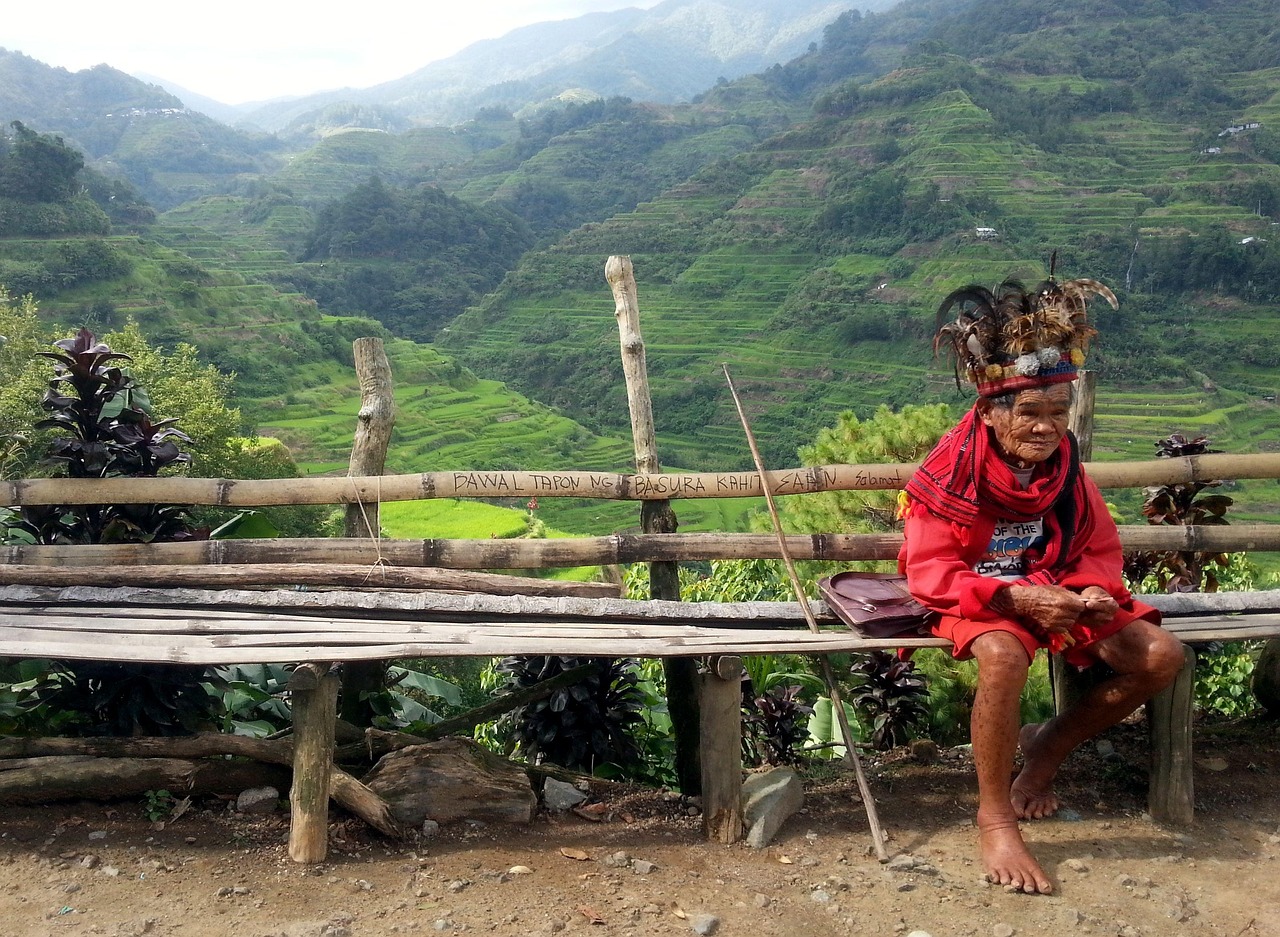
Indigenous cultures worldwide have developed visual expressions for millennia – from rock art and traditional symbols to modern graffiti. These artworks tell stories, preserve knowledge, and reflect social, spiritual, and political identity.
Historical Background
Rock paintings, petroglyphs, and traditional painting served communication, rituals, and historical documentation. They recorded hunting achievements, tribal relations, spiritual beliefs, and important events.
Traditional Art Forms
Each culture had unique styles, patterns, and techniques. Among the Aboriginal Australians, San people of Africa, Inuit, Maori, or North American tribes, symbols were deeply connected to nature, ancestors, and spiritual beliefs.
From Ritual to Modern Expression
Colonization, urbanization, and migration sometimes marginalized traditional art forms. Today, young generations revive old patterns and adapt them to graffiti, street art, and digital media to make identity, resistance, and cultural renewal visible.
Cultural and Social Significance
Visual expressions link past and present. They foster pride in heritage, strengthen community, and serve as mediums for social and political messages. Modern indigenous graffiti becomes a platform for empowerment and cultural visibility.
Practical Wisdom
- Research the cultural meaning of symbols before using them.
- Support indigenous artists and projects.
- Use art to share history, identity, and messages.
- Respectfully blend traditional patterns with modern expressions.
- Promote intercultural dialogue through visual art.
Who is it Relevant For?
- Artists seeking inspiration from traditional motifs.
- People interested in indigenous cultures, history, and visual expression.
- Academics, activists, and NGOs in cultural and identity studies.
- Travelers exploring authentic indigenous art.
Frequently Asked Questions
Why are rock art paintings important?
They document history, spirituality, and social structures of indigenous peoples.
How is traditional art adapted into graffiti?
Ancient symbols and patterns are reinterpreted in urban contexts, often as statements of identity and empowerment.
How can indigenous art be used respectfully?
By understanding its meaning, supporting artists, and preserving cultural context.
Conclusion
The evolution of indigenous visual expressions shows how art can connect identity, history, and empowerment. From ancient rock art to modern graffiti, visual language remains a powerful tool to preserve and highlight indigenous cultures.