
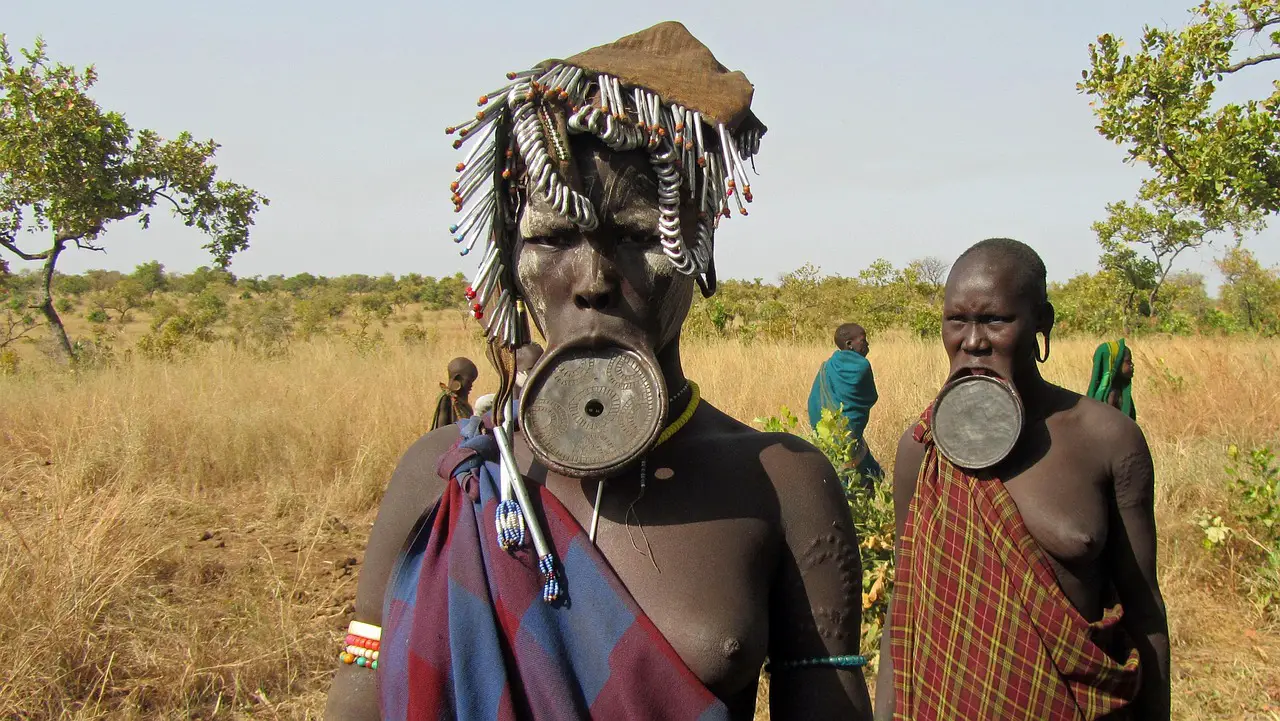
The images are enticing: an authentic encounter with the “last” Indigenous peoples, a glimpse into an untouched world, a contribution to protecting rainforest and tradition. Yet the reality of tourism in Indigenous territories is often different: exploitation, folkloric performances, disturbance of sacred sites. In this complex debate, however, a promising model emerges: Indigenous ecotourism. This is not about viewing people like museum exhibits, but about being invited as a respectful guest into a living cultural and ecological context – on equal footing and according to the hosts’ rules. This article asks: Can travel, when radically rethought, actually become a tool for cultural preservation, economic independence, and ecological protection?
The Problem: From “Human Zoo” to Ethical Dilemma
Traditional tourism in Indigenous areas often has a dark side. It can:
- Cultural Commodification: Rituals and traditional dress are degraded to paid shows for tourists, losing their deeper meaning.
- Ecological Burden: Uncontrolled access leads to trash, water pollution, and disturbance of fragile ecosystems.
- Social Division: The flow of money can undermine traditional hierarchies, foster envy, and split the community.
- Loss of Control: External tour operators pocket most of the profits, while the community receives only minimal income and has no decision-making power.
Against this backdrop, many communities’ skepticism towards tourism is more than understandable.
The Model: The Principles of Indigenous Ecotourism
Indigenous ecotourism (or community-based tourism) reverses the power dynamics. It is based on core principles that distinguish it from mainstream tourism:
1. Indigenous Self-Determination & Ownership
The community owns, manages, and controls the tourism project entirely. They decide:
- If tourism should happen at all.
- What is shown (and what remains taboo and sacred).
- How many visitors are allowed.
- How revenues are distributed (often into community funds for education, healthcare, or conservation).
External partners are service providers, not owners.
2. Cultural Integrity & Respectful Interpretation
It’s not about “shows” but about authentic cultural exchange. Guests might learn traditional crafts under guidance, help plant manioc, or listen to stories from elders – always with a focus on explanation and context. The community controls the narrative and is not objectified as a curiosity.
3. Ecological Sustainability & Traditional Knowledge
The projects are small, local, and often utilize traditional ecological knowledge. They serve to protect their own territory. The presence of respectful guests can even be an argument against destructive projects like mining or logging: “Our land is more valuable when intact and showing its beauty to our guests.”
4. Mutual Benefit & Economic Resilience
The income creates an alternative source of revenue, enabling young people to stay in the community instead of migrating to cities for poorly paid work. It often directly funds the preservation of language and culture. For the guest, the benefit is a unique, profound learning experience.
Real-World Examples: Where This Model Works
1. Chalalán Lodge, Bolivia (Uchupiamonas Community)
Deep in the Bolivian Amazon rainforest, this lodge is entirely owned by the Indigenous Uchupiamonas community. Guests are guided by community members, learn about medicinal plants, take night boat rides, and directly support the community’s fight against illegal logging with their presence. The project has halted out-migration and strengthened cultural self-confidence.
2. The Musqueam Cultural Centre, Canada (Musqueam First Nation)
In the heart of Vancouver, this center does not offer an “Indian show” but guided tours of traditional territory, cooking classes with traditional foods like salmon and berries, and conversations with knowledge keepers. It is a place of self-representation and education on their own terms.
3. Sápmi, Northern Scandinavia (Sámi-led Experiences)
More and more Sámi families offer “authentic” reindeer experiences – not as a petting zoo but as an insight into transhumant pastoralism. Guests help with feeding, learn to understand joik singing, and hear stories about the challenges of climate change. They directly support reindeer herding as a cultural cornerstone.
The Big Question: When Does “Eco” Become an Empty Shell?
Not everything labeled “Indigenous ecotourism” lives up to its promises. Warning signs are:
- Greenwashing: A large resort on the edge of a reservation that offers a few “cultural evenings” but brings little benefit to the community.
- Tokenism: Indigenous presence is limited to a “chief” greeting guests, while the rest of the staff and profits go elsewhere.
- Cultural Alienation: The pressure to please tourists leads to traditions being altered or shortened until they are no longer authentic.
- Overtourism: Even a community-based project can exceed its carrying capacity and become a burden.
How You as a Traveler Can Be Part of the Solution
- Research Thoroughly Before Booking: Who owns the project? Who benefits? Is there transparent information about the community and their role? Look for genuine community-based organizations, not large tour operators offering “Indigenous tours.”
- Respect the Rules Without Exception: If certain places, photos, or questions are taboo, adhere strictly. Your respect is the most important currency.
- Be a Guest, Not a Customer: Come with the attitude of a learner, not a consumer demanding a service. Be patient, listen, and ask respectful questions.
- Invest in the Local Economy: Buy handicrafts directly from the artisans, stay in community-owned accommodations, and eat in local community kitchens.
- Share Your Experience Responsibly: Talk about the model, not about “exotic” people. Emphasize the self-determination of the hosts and the deep insights, not the superficial.
Conclusion: Travel as an Act of Respect and Partnership
The question of whether travel can preserve cultures must be answered with a clear “It depends.” Mass tourism destroys. Indigenous ecotourism can preserve – but only under very specific conditions. The crucial condition is the sovereignty of the host community. When they are in control, tourism can become a powerful tool: for economic independence, for the protection of land and wildlife, for passing on traditional knowledge to a young generation that sees pride and future in it, and for building genuine bridges between worlds. As a traveler, you have a choice: Do you want to be part of an extractive system or a respectful encounter where your money doesn’t take but invests – in the future of a culture worthy not just of being visited, but protected? The decision begins with the booking.