
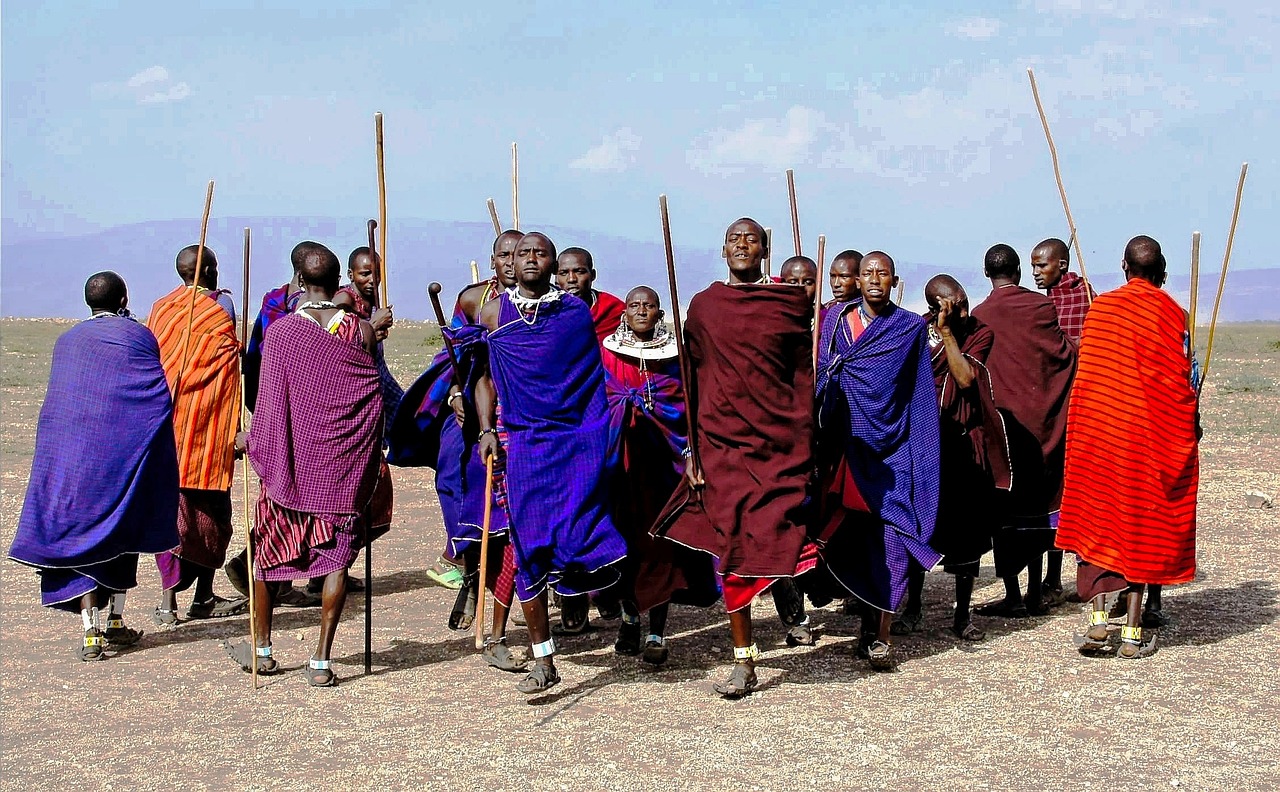
Between romanticizing images of wise medicine men and historical narratives of wars and displacement exists an often-overlooked reality: the diverse, complex, and resilient everyday life of today’s Indigenous peoples. While clichés continue to shape public perception, Native Americans, First Nations, and Indigenous peoples worldwide navigate a reality shaped by both – ongoing challenges from colonial continuities and the powerful revival of their cultures, languages, and rights. This article looks behind the prejudices and shows the real everyday life, struggles, and triumphs of Indigenous people today, explaining why respectful perception is the first step towards genuine solidarity.
The Cultural Context: Living Between Tradition and Modernity
The notion that Indigenous people either live “assimilated” or “traditionally” in remote reservations is a crude distortion. The reality is one of hybrid identities and dynamic adaptation. The majority of Indigenous peoples in North America today live in cities (urban Indians) but often commute between urban jobs and rural home communities. They speak fluent English (or Spanish/French) while simultaneously relearning their own language. They use smartphones and social media to share cultural knowledge and build transnational activist networks. This everyday life is characterized by constant “code-switching” – shifting between the cultural codes of the dominant society and those of their own community. It’s a balancing act that can be both a source of stress and of unique strength and perspective.
Prejudices and Stereotypical Images: The Poison of the “Noble Savage” and Other Myths
The everyday life of Indigenous people is overshadowed by deeply rooted prejudices, which can appear both positive and negative:
- The “Noble Savage” / “Wise Medicine Person”: This romanticizing cliché reduces Indigenous people to spiritual oracles or ecological saints. It obscures the view of their normal humanity, their individual strengths and weaknesses, and their ordinary professions as accountants, programmers, or teachers.
- The “Vanishing Indian”: This narrative portrays Indigenous cultures as belonging to the past and on the verge of extinction. It makes today’s living communities invisible and marginalizes their current political demands.
- The “Drunken Indian”: A racist and harmful stereotype that reduces complex socio-economic and trauma-related issues (alcoholism) to an alleged racial predisposition, while ignoring the historical causes (colonial violence, trauma from residential schools).
- The “Casino Indian”: This prejudice assumes all Indigenous communities have become rich through gambling, obscuring massive economic inequality and the fact that many tribes have no casinos or use revenues for urgently needed social programs, education, and infrastructure.
The Real Challenges: Legacy of Colonialism in Everyday Life
Beyond the clichés, Indigenous communities face concrete, structural challenges:
- Health Inequality: Higher rates of diabetes, heart disease, and mental health issues, combined with often limited access to quality, culturally competent healthcare. The suicide rate among youth is alarmingly high, a direct legacy of collective trauma.
- Education Gap: Schools in remote reservations are often underfunded. The curriculum rarely reflects the history and perspectives of Indigenous peoples, which can lead to high dropout rates. Simultaneously, the number of Indigenous students at universities is booming.
- Economic Disadvantage: High unemployment in many reservations, often due to geographic isolation and lack of infrastructure. The struggle for land and resource rights against large corporations (mining, pipelines) is ubiquitous.
- Legal and Political Struggles: The constant fight for recognition of sovereignty, enforcement of historical treaties, and protection of sacred sites from destruction.
- The Crisis of Missing and Murdered Indigenous Women and Girls (MMIWG): A shocking wave of violence often ignored by authorities, resulting from a mix of racism, sexism, and systemic failure.
Strength, Resistance, and Cultural Revitalization
Despite these challenges, the prevailing tone in Indigenous communities today is not one of victimhood but of resilience, activism, and creative revitalization.
- Language Renaissance: From apps and YouTube channels to community language schools – Indigenous languages are being revived using modern means and passed on to the younger generation.
- Art and Media as Self-Empowerment: Indigenous filmmakers (e.g., Sterlin Harjo), musicians (e.g., A Tribe Called Red, now Halluci Nation), and authors (e.g., Tommy Orange) tell their own stories and reach a mass audience without the filter of the dominant culture.
- Indigenous Entrepreneurship and Sustainable Economy: Tribal-owned businesses not only create jobs but often practice an economic model that places community and sustainability at its center (see article “From Poverty to Success”).
- Political Leadership and Youth Activism: Young Indigenous activists like the “Land Back” movement or fighters against pipelines (e.g., on the frontlines at Standing Rock and Wet’suwet’en) put global issues on the agenda.
- Revival of Traditional Foods and Health: The return to traditional, local foods (“Food Sovereignty”) is seen as a way to combat diabetes and strengthen cultural identity.
Practical Use: How We Can Show Respect in Everyday Life
- Listen and Center Indigenous Voices: The most important step. Follow Indigenous journalists, artists, activists, and scientists on social media. Read their books, watch their films. Make their perspectives your primary source, not reports about them.
- Question Prejudices in Yourself and Others: The next time you see a cliché (in a movie, conversation, advertisement), name it. Ask yourself: “What image is being portrayed here? Does it correspond to the real, diverse reality of Indigenous people today?”
- Use the Correct Language: Whenever possible, use the specific names of nations (“Lakota,” “Navajo,” “Anishinaabe”) instead of the generic “Indian.” Acknowledge that they are hundreds of different, living cultures.
- Consume and Support Responsibly: Buy art and products directly from Indigenous artists. Support Indigenous-led organizations and businesses. Learn on whose traditional land you live and inquire about ways to support local initiatives.
- Be an Ally, Not a Savior: True solidarity means respecting and supporting the leadership and demands of the affected communities. It’s not about speaking for them but giving them space and amplifying their messages.
For Whom Is This Article? These Readers Benefit Especially
- All Who Want to Question Clichés About “Indians” and seek a realistic, contemporary picture.
- People Working in Education, Social Work, Media, or Healthcare wanting to strengthen their cultural competence regarding Indigenous topics or clients.
- Activists and Solidarity-minded People, wanting to find more effective ways of support.
- Teachers and Parents, wanting to convey a respectful and accurate picture of today’s Indigenous world to children.
- Anyone Who Feels that something is missing between Westerns and romantic spirituality: the normal, complex, modern reality.
Frequently Asked Questions About the Everyday Life of Native People Today
“Can Native people only identify as such if they live on a reservation and wear traditional clothing?”
No, that is a common prejudice. Indigenous identity is defined by belonging to a community, lineage, and often by official recognition by a nation/tribal government, not by clothing or place of residence. Most Indigenous people wear jeans and t-shirts, live in cities, and are yet deeply connected to their culture and heritage. Their identity is no less “authentic” because they live a modern life.
“Why do Indigenous people still talk about colonialism? That’s long in the past.”
Because the consequences of colonialism are not a historical footnote but a present, everyday reality. This is evident in the land issue (much of it is stolen land), in social problems (the trauma legacy of residential schools), in economic disadvantage, and in ongoing racism. Saying “that’s long ago” means ignoring the continuity of this injustice and blocking the path to healing.
“How can I, as an individual, concretely help without being intrusive?”
Concrete, respectful ways are: 1) Donate to Indigenous-led organizations (not to large charities that speak for them). 2) Become politically active: Write letters to representatives supporting specific Indigenous concerns (e.g., protection of sacred sites, investigation of MMIWG). 3) Educate your own environment: Share articles like this one, correct prejudices in conversations kindly but firmly. 4) Be a conscious tourist: When visiting Indigenous land, book tours with Indigenous guides, buy directly from artisans, and respect all signage and requests for privacy.
Conclusion: From Cliché to Human Encounter
Understanding the real everyday life of Native people today means setting aside the prefabricated images of feathers and tipis and seeing the vibrant, resilient, and diverse present of Indigenous peoples. It means recognizing that they are not figures from a history book or a spiritual fantasy but neighbors, colleagues, artists, and activists living and shaping the 21st century.
Respect begins with this acknowledgment of their presence and humanity. It grows when we question ourselves, shed clichés, and decide to no longer learn *about* them, but *with* them and *from* them. The path to a more just future leads through this respectful encounter on an equal footing – an encounter that does not forget the past but bravely looks into a shared present and future where Indigenous voices are heard, their rights respected, and their cultures celebrated for what they are: living, indispensable parts of our human world.
In solidarity with all Indigenous people who walk their path daily with dignity, humor, and strength, thereby disproving prejudices and strengthening their cultures for the coming generations.