
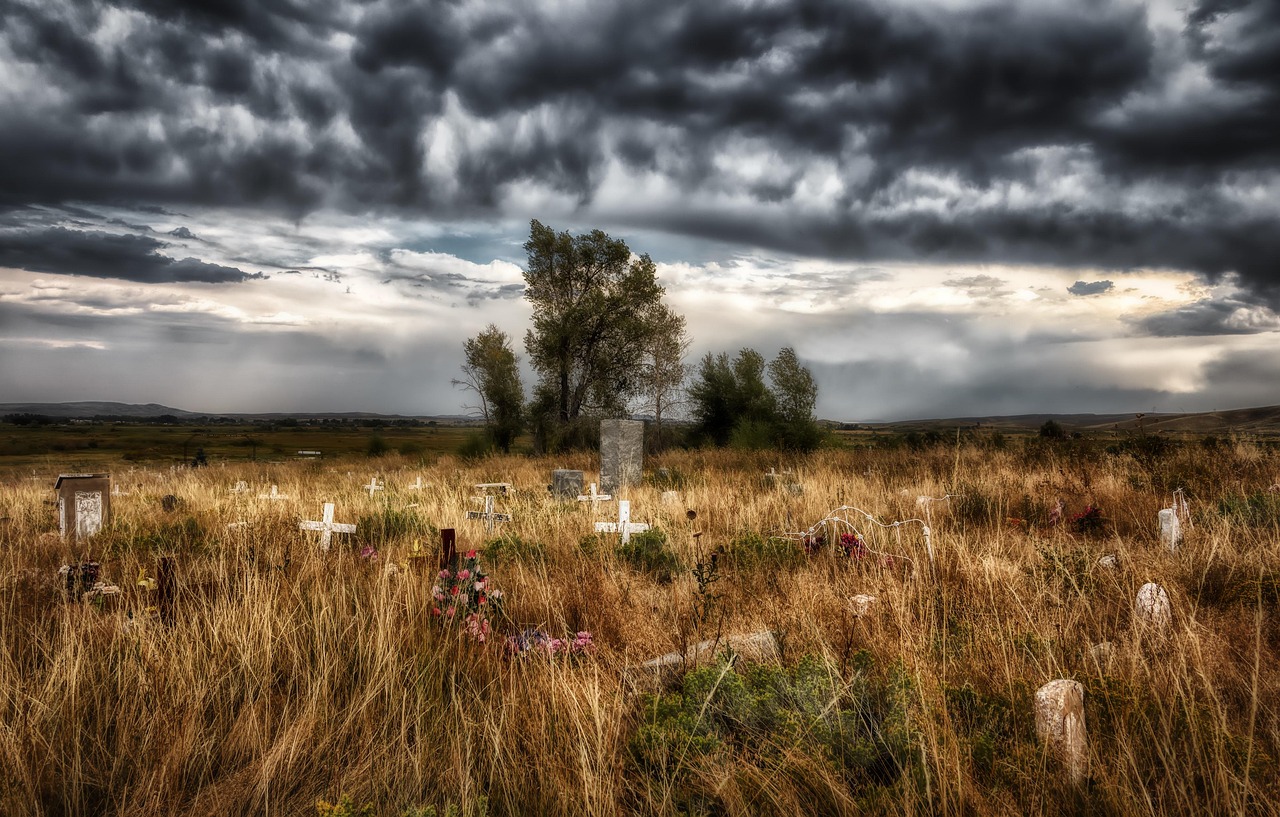
In an age that often dismisses myths as mere fairy tales, the legends of Indigenous peoples preserve a treasure trove of wisdom that has lost none of its power. These stories are not an escape from reality but a deeper navigation through it. They do not tell of a distant fantasy world but of this world – ensouled, intelligent, and full of teaching relationships. This article invites you to look behind the scenes of these narratives and understand how the archetypal figures of animals, spirits, and ancestors continue to serve as guides, warners, and keepers of wisdom today.
legend">More Than Entertainment: The Function of the Legend
In Indigenous cultures, legends have a concrete, life-serving function. They are the living memory of a people, encoded in images and stories passed down through generations. They do not only explain the origin of the world (creation myths) but, above all:
- Ethics and Morals: They teach how to behave within the community and towards nature.
- Ecological Knowledge: They convey knowledge about animal behavior, plant cycles, and weather phenomena.
- Psychology and Healing: They address universal human themes like envy, courage, loss, and restoration.
- Spiritual Maps: They describe the invisible layers of reality – the world of spirits and ancestors.
Hearing a legend was, and often still is, therefore an act of learning and initiation.
The Three Great Teachers in the Legends
1. The Animals: Mirrors, Allies, and Clan Relatives
Animals in legends rarely appear as cute sidekicks. They are personifications of primal forces, traits, and life lessons. The clever Coyote, who as a trickster can both cause harm and offer wise solutions; the patient Beaver as a builder; the courageous and protective Bear; the far-sighted Eagle. When a human interacts with an animal in a legend, it is almost always about a lesson. The animal reveals a weakness, grants a special ability (in “gift myths”), or warns against a taboo. These stories cultivate respect and teach us to see animals as autonomous, intelligent “persons” with their own sovereignty.
2. The Spirits: Guardians of Places and Natural Forces
According to Indigenous understanding, the world is populated by conscious, non-human beings. These are the spirits of rivers, mountains, forests, and winds. In legends, they often appear as vigilant guardians who punish the disrespectful human and reward or protect the respectful one. A legend about the “spirit of the lake” who causes storms when polluted is simultaneously an ecological lesson and a spiritual warning. These beings are not “gods” in an omnipotent sense, but powerful, local forms of consciousness with whom one must enter into a relationship. They remind us that nature is not a dead “resource pool” but a community of subjects.
3. The Ancestors: The Living Bridge to the Past
Ancestors in these legends are not departed shadows. They are active participants in present life. They appear in dreams, give advice through signs, or intervene in critical moments to protect their descendants. Many legends tell of an ancestral spirit showing the way to someone lost or how disregarding the ancestors leads to misfortune. These stories create intergenerational responsibility. They teach that we stand on the shoulders of our forebears and that our actions affect their honor and lay the foundation for the next seven generations. The ancestors are the roots that nourish the tree of present life.
How We Can Read and Use These Legends Today
- As a Mirror of the Soul: When encountering a legend, ask yourself: Which figure do I identify with? What trait of the animal or spirit reflects a strength or weakness of mine? The trickster figure, for example, can mirror our own shadow, our cunning, or our creative disobedience.
- As a Lesson for Relationships: Transfer the relationship between human and animal/spirit in the story to your relationships with the natural world. Does the legend admonish you to be more respectful, attentive, or grateful?
- As a Source for Rituals and Reflection: Use a powerful legend as a basis for personal or communal reflection. Before a walk, ask yourself: “What lesson might the ‘spirit of this forest’ want to convey to me today?”
- As a Connection to Your Own Ancestral Line: Feel inspired to call your own biological or spiritual ancestors (teachers, historical role models) into your consciousness. What would you want to tell them? From which of their virtues could you learn today?
- As an Antidote to an Anthropocentric Worldview: Take the legends as an invitation to experience the world again as a place full of subjects (not objects), each with their own voice, story, and dignity.
For Whom Are These Legends a Treasure Today?
- Story Lovers and Fairy Tale Readers: Those seeking original, powerful, and meaningful narratives that offer more than mere entertainment.
- People on a Spiritual Quest: Those seeking sources of wisdom beyond dogmatic religions and wanting to explore an animistic or panpsychic worldview.
- Parents and Educators: Those wanting to impart values, ecological awareness, and respect to children in a captivating, pictorial way.
- Artists, Writers, and Creatives: Those searching for archetypal, timeless motifs and a deep symbolic language for their work.
- Anyone Feeling They Live in a “Disenchanted” World: Those yearning for a sense of wonder, connection, and an intelligent, ensouled nature.
Frequently Asked Questions & Cultural Sensitivity
May I simply retell or use these legends?
Yes, with respect and proper acknowledgment. It is important not to distort, shorten, or ignore the cultural context and deeper meaning of the legends. If possible, mention which culture the legend comes from (e.g., “a legend of the Lakota” or “a myth of the Haida”). Do not present it as your own invention. The respectful sharing of wisdom is desired in many traditions; appropriation and commercialization are not.
Are these stories “true”?
They are true in a different way than a historical report. They are true representations of relationships, ethical principles, and psychological realities. A legend about greed and its consequences is “true” because it describes a universal human behavior and its consequences. It is a truth in images that speaks directly to the heart and mind.
Don’t spirits and an ensouled nature contradict science?
Not necessarily. Science describes the *how* of the material world. Myths and legends address the *why* of meaning, value, and relationship. Neuroscience can explain a feeling of awe; the legend gives that feeling a name, a face, and a story. Both levels can coexist and provide a more complete picture of reality.
Conclusion: Re-Storying the World
The legends of Indigenous peoples are a gift to a world that is in the process of losing the art of mythological thinking. They remind us that we live in a web of stories – stories we tell about the world, the animals, and ourselves. By opening ourselves to these ancient narratives, we invite animals back as teachers, spirits as guardians, and ancestors as counselors into our consciousness. We begin to see the world not as a lifeless machine but as a great community where everything communicates and every relationship is worth a story. In this act of re-storying, we may find the lost key to a life full of meaning, respect, and wondrous connectedness.