
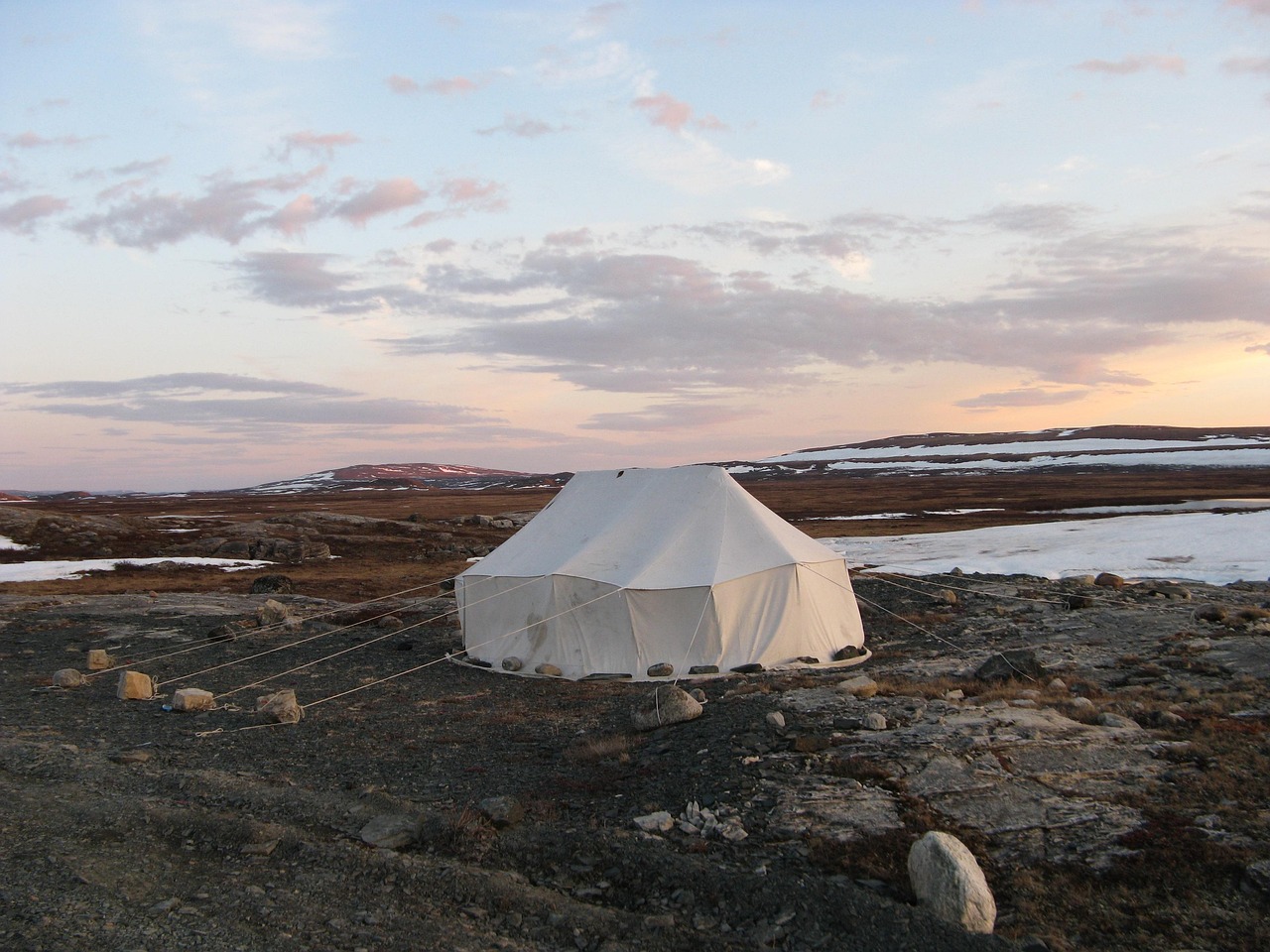
Today, “nomadic living” is often marketed as a lifestyle: van life, digital nomads, minimalism. For Indigenous peoples, however, nomadism was never a trend. It was—and still is—a carefully developed way of life rooted in adaptation, knowledge, and deep connection to the environment.
🌍 Nomadism as the Origin of Human Existence
Most of human history is shaped by nomadic life. Sedentary societies are a relatively recent development. Hunter-gatherer societies moved with seasons, animal migrations, and natural cycles.
Why mobility was essential for survival:
- Protecting soil, plants, and animal populations
- Adapting to climate and available resources
- Avoiding overuse and conflict
- Flexibility instead of dependency
🌀 Nomadic Knowledge in Indigenous Cultures
Nomadism never meant chaos. It followed clear rules, deep environmental knowledge, and social structures. Many Indigenous groups—from the San of the Kalahari to Arctic Inuit and Siberian reindeer herders—developed complex systems of living together.
Movement was part of identity, spirituality, and community. Land was respected, not owned.
⚖️ Why Nomads Were Devalued by Colonial Systems
Colonial powers equated sedentary life with civilization. Nomadic ways were labeled backward, unproductive, or uncontrollable. This led to forced settlements, land theft, and the loss of traditional routes.
These attitudes continue to shape political and social realities today.
📜 Practical Wisdom
- Movement is a natural human ability, not a deficiency.
- Roots are created through relationships, not possessions.
- Sustainability begins with adaptation, not control.
- Flexibility is strength, not weakness.
- Ancient knowledge can help solve modern crises.
👥 Who Is This Relevant For?
- People exploring alternative lifestyles
- Students of anthropology and history
- Indigenous rights advocates
- Individuals going through life transitions
- Societies seeking sustainable solutions
❓ Frequently Asked Questions
Are nomads always poor or rootless?
No. Many nomadic societies were socially stable, highly organized, and sustainable.
Is nomadism still possible today?
Yes, but often restricted by borders, states, and land rights.
How does Indigenous nomadism differ from modern “nomads”?
Indigenous nomadism is based on responsibility, community, and knowledge—not consumption or self-branding.
🔚 Conclusion
Nomadic life is neither a trend nor a step backward. It is the foundation of human adaptability. Indigenous cultures remind us that movement, respect for land, and communal thinking are essential elements of being human.