
In a world marked by collective trauma and psychological wounds, traditional indigenous healing practices combined with modern psychology offer a profound path to holistic healing. Art is understood not merely as expression but as an active healing process. Discover innovative therapy programs that connect ancient knowledge with scientific findings, opening new avenues for trauma-sensitive treatment.
The Foundations: Why Art Heals
In indigenous cultures, art has always been medicine. Today, neuroscience confirms what traditional healers have known for millennia: creative expression can initiate deep healing processes.
- Non-verbal Processing: Trauma is often stored in images and sensations, not words
- Activating the Right Brain Hemisphere: Art engages emotional and intuitive centers
- Strengthening Self-efficacy: Creative processes convey control and agency
- Strengthening Cultural Identity: Traditional art forms connect with roots
The Philosophy: Holistic Healing from an Indigenous Perspective
Unlike Western medicine, indigenous healing arts view humans as an inseparable whole.
- Body-Mind-Spirit Unity: No separation between physical and mental health
- Collective Healing: Individuals heal within their community
- Spiritual Dimension: Illness as imbalance in the greater whole
- Preventive Approach: Health as a continuous process of balance
Innovative Therapy Programs Overview
1. The “Beads of Healing” Program
Inspired by the traditional beadwork of various tribes, particularly the Lakota and Anishinaabe.
- Target Group: People with intergenerational trauma, especially Residential School Survivors and their descendants
- Method: Each bead represents a healing step, each color an emotion or memory
- Process:
- Choose colors: Red for pain, blue for tears, white for cleansing, yellow for hope
- Design pattern: Personal life line or traditional patterns
- Share stories while beading: Stories are shared with each bead
- Scientific Basis: Bilateral stimulation similar to EMDR, mindfulness practice
- Successes: Significant reduction in PTSD symptoms, strengthening of cultural identity
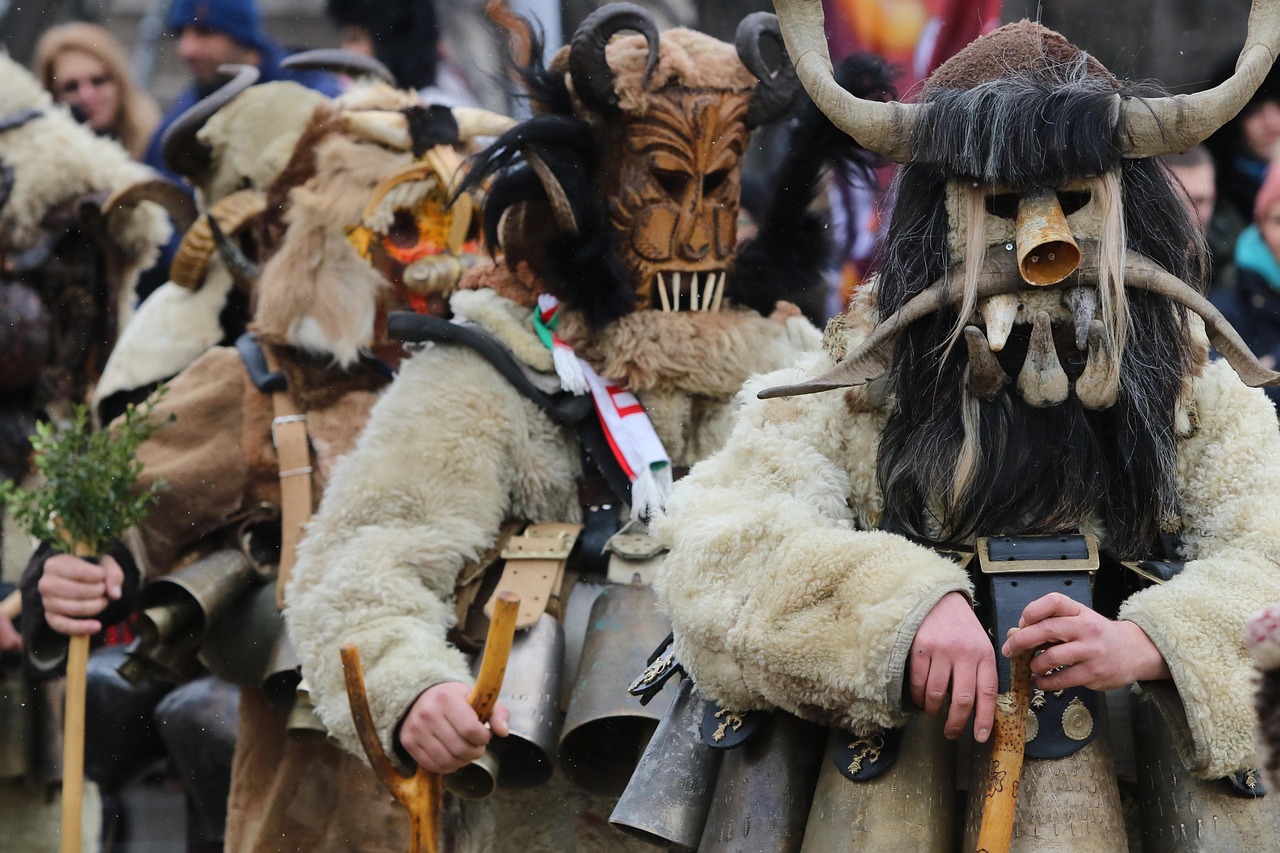
2. “Masks of Transformation”
Based on the traditional mask art of Coast Salish and Haida, combined with modern psychodramatic techniques.
- Target Group: People with identity conflicts and dissociative disorders
- Method: Creation and performance of transformation masks
- Three-Phase Process:
- Outer Mask: How am I seen by others?
- Inner Mask: Who am I really?
- Integration Mask: How do I connect both aspects?
- Traditional Knowledge: In Northwest Coast culture, masks open portals between worlds
- Modern Integration: Role-play, Gestalt therapy, narrative therapy
3. “The Red Line of Life”
A program combining traditional weaving with biography work and trauma therapy.
- Inspiration: Navajo weaving tradition and the significance of “Churro” wool thread
- Target Group: People with complex trauma and attachment disorders
- Process:
- Dye wool with natural pigments (healing ritual)
- Set up loom (create safe framework)
- Weave life line: Each thread represents a year or life event
- Integrate holes and breaks (trauma as part of the whole)
- Therapeutic Effect: Sense of continuity despite breaks, integration of fragmented memories
- Research Results: Improved coherence in life narrative, reduced dissociation
4. “Drum Heart” – Rhythm as the Heartbeat of Healing
A program combining the healing power of drumming with heart coherence training and trauma-sensitive bodywork.
- Traditional Basis: The drum as the heartbeat of Mother Earth in many indigenous cultures
- Target Group: People with chronic stress, anxiety disorders, somaticized trauma
- Scientific Basis:
- Heart Rate Variability (HRV) as an indicator of resilience
- Binaural beats and frequency synchronization
- Polyvagal Theory and safety regulation
- Program Structure:
- Drum building as ritual (connection to material)
- Learning basic rhythms (safety through structure)
- Heartbeat synchronization (60-80 BPM for calming)
- Improvisation and emotional expression
- Proven Effects: Reduces cortisol, increases oxytocin, improves vagal tone
Cultural Safety in Therapy
A central principle of these programs is cultural safety – the recognition that healing must occur within a cultural context.
- Indigenous Therapists: Programs are co-led by indigenous healers and Western-trained therapists
- Traditional Protocols: Respect for ceremonial practices and spiritual aspects
- Linguistic Accessibility: Offerings in indigenous languages or with translation
- Community-based: Healing happens in and with the community, not in isolation
The Role of Elders and Traditional Healers
In these programs, Elders and healers are not “co-therapists” but equal knowledge keepers.
- Spiritual Leadership: Blessing of spaces and materials
- Cultural Authority: Ensuring traditional integrity
- Storytellers: Passing on healing stories and myths
- Bridge Builders: Mediating between worldviews
Evidence-Based Successes and Research
These programs are scientifically monitored and show measurable successes.
- Reduced PTSD Symptoms: 40-60% reduction in standardized tests
- Improved Cultural Identity: Significant increase on the Cultural Connectedness Scale
- Decreased Depression Scores: Average reduction of 35% after 12-week programs
- Increased Self-efficacy: Stronger belief in ability to shape one’s own life
- Long-term Effects: Sustainable impacts still evident 6 months after program completion
Training and Certification
To ensure quality and cultural integrity, there are special training programs.
- Dual Qualification: Participants must demonstrate both Western psychological training and traditional learning with Elders
- Cultural Competence: Intensive engagement with specific cultural traditions
- Ethical Guidelines: Strict protocols against cultural appropriation and exploitation
- Supervision: Regular guidance from both clinical supervisors and Elders
Global Application and Cultural Adaptation
The principles of these programs are being adapted worldwide, always with respect for local traditions.
- Canada: First Nations Health Authority implements programs nationwide
- New Zealand: Integration of Māori art forms (Whakairo – carving, Raranga – weaving)
- Australia: Aboriginal dot painting and Storytelling in therapy programs
- Scandinavia: Sami Joik tradition and beadwork in trauma therapy
- Important Note: Every adaptation is done in close collaboration with the respective communities
Challenges and Critical Considerations
Despite successes, there are challenges and critical questions.
- Cultural Commercialization: Risk of exploitation of traditional knowledge
- Spiritual Misunderstandings: Western therapists may misunderstand spiritual dimensions
- Funding: Programs are often underfunded despite proven effectiveness
- Scalability: Intensive, personalized approach limits reach
- Tradition vs. Innovation: Balance between cultural fidelity and therapeutic adaptation
The Future: Integration into Mainstream Healthcare Systems
There is growing movement to adopt these integrative approaches into regular healthcare systems.
- Health Insurance Recognition: First programs are being covered by insurers
- Clinical Guidelines: Integration into official treatment protocols for intercultural therapy
- Academic Anchoring: Chairs and degree programs for integrative healing approaches
- Research Funding: More funding for evidence-based research on traditional healing methods
How You Can Support These Approaches
Solidarity and support are possible in various ways: