
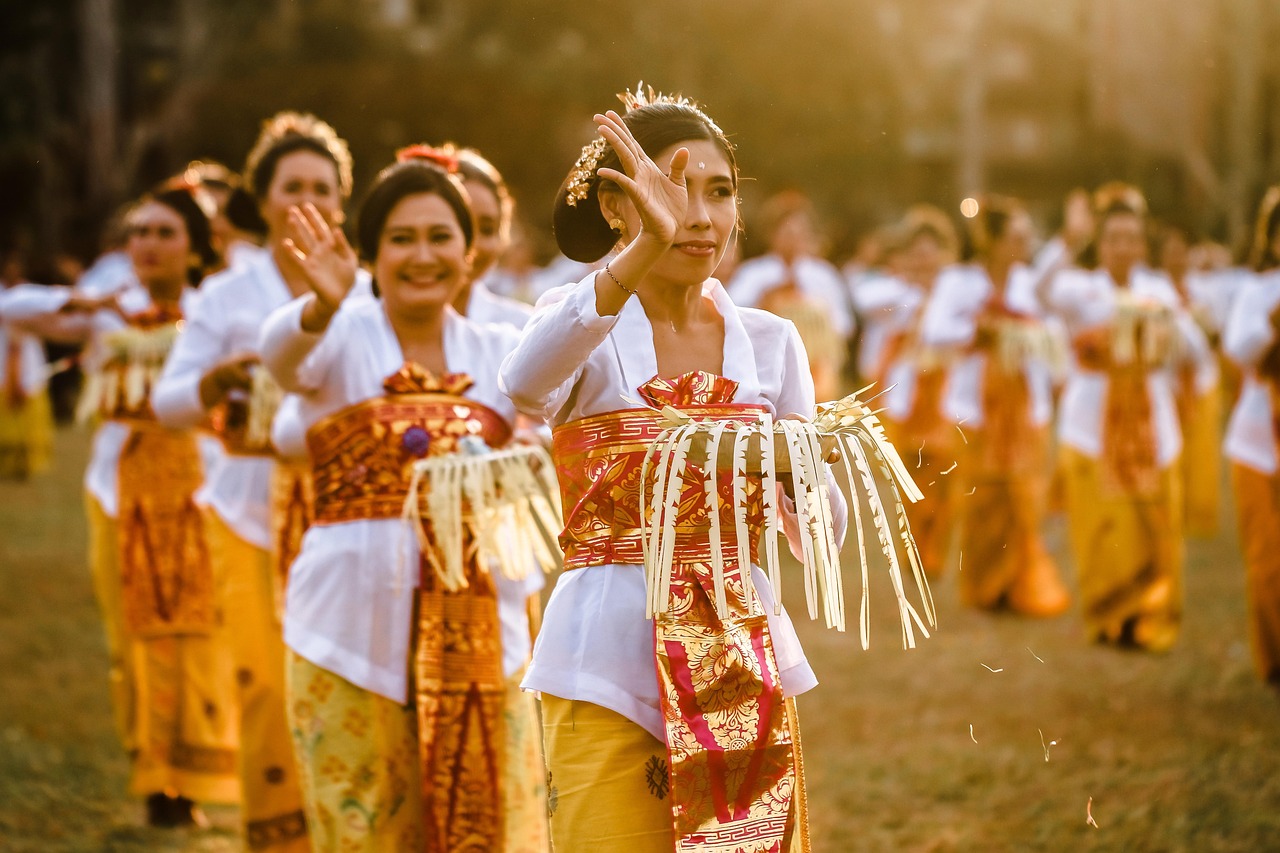
Indigenous cultures are often idealized: stunning landscapes, spiritual rituals, or “pristine” lifestyles shape many perceptions. Yet this romanticization ignores reality: indigenous communities are dynamic, complex, and face real challenges. Respect means taking them seriously and listening to their voices.
Romanticization vs. Reality
Romanticization reduces complex societies to stereotypes. It can cause indigenous people to be seen as “fantasy figures,” while their needs and rights are overlooked.
The Consequences of Stereotypes
Stereotypes often lead to misunderstandings, cultural appropriation, and unrealistic expectations. Romanticizing indigenous cultures ignores social issues and modern achievements of the communities.
Respect Begins with Listening
Respect starts with attention. Learning from indigenous sources, understanding history, and hearing their voices directly allows for genuine engagement.
Practical Wisdom for Respectful Engagement
- Learn directly from indigenous communities.
- Avoid clichés and oversimplifications.
- Consider context and historical backgrounds.
- Support initiatives that strengthen indigenous rights.
- Recognize diversity within indigenous cultures.
Modern Relevance
In a globalized world, cultural sensitivity is essential. Respectful understanding enables true collaboration, sustainable projects, and prevents unintentional harm.
Frequently Asked Questions
Is romanticization always harmful?
Yes, when it distorts reality and ignores the needs of indigenous people.
How can one recognize respect?
By listening, being informed, avoiding clichés, and letting the communities speak for themselves.
Can one still appreciate the beauty of indigenous cultures?
Yes, but without idealizing them or creating stereotypical expectations.
Conclusion
Respect for indigenous culture means seeing the people behind the traditions – with their history, present, and future. Romanticization may seem appealing, but it cannot replace knowledge, listening, or responsibility. True appreciation arises from understanding and mindfulness.