
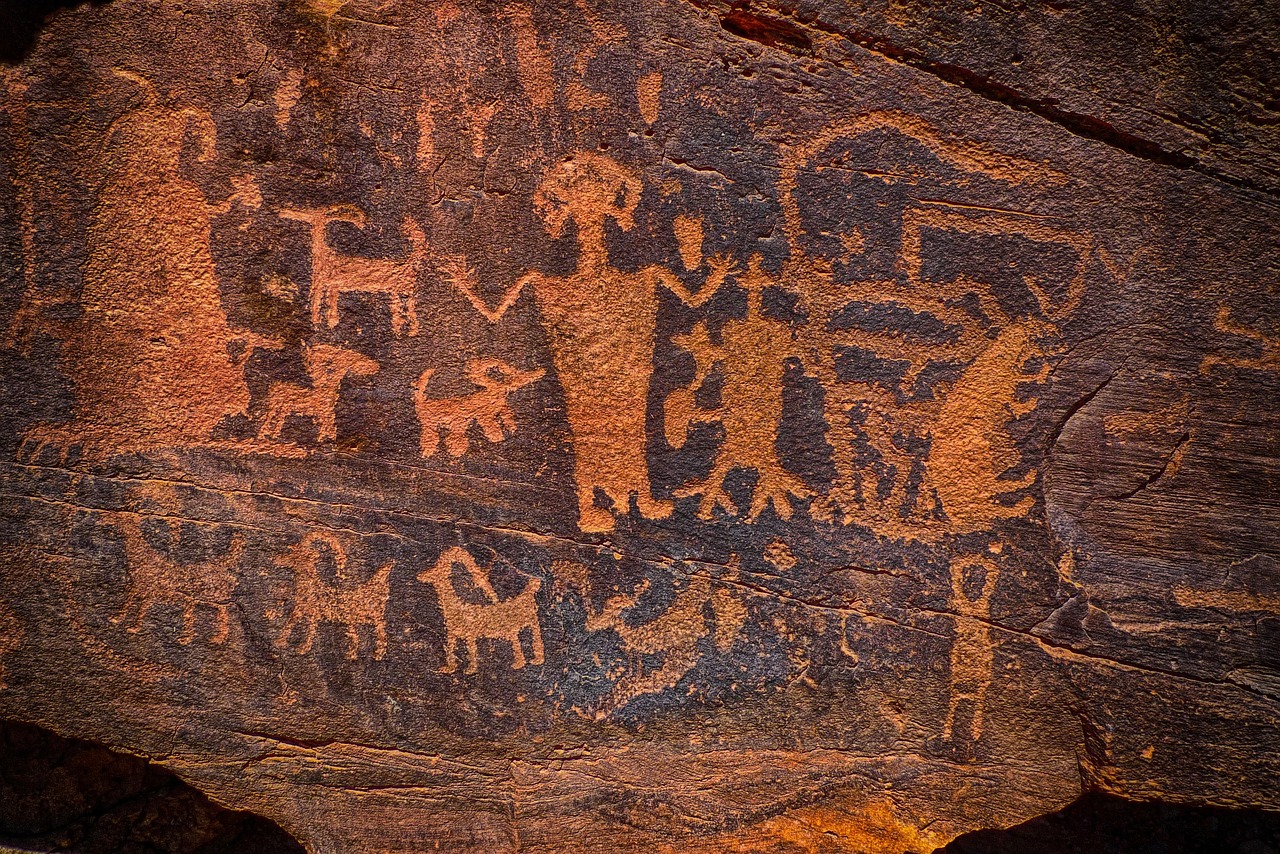
Indigenous diets are more than just food consumption: they are deeply rooted in spirituality, tradition, and ecological responsibility. From bison hunting on the North American plains to salmon fishing along the coasts, indigenous peoples view their food sources as part of a holistic system that blends respect, sustainability, and social structures.
Traditional Hunting and Fishing
Bison, salmon, wild game, berries, and roots – each food source follows natural cycles. Hunting and fishing are conducted according to strict rules that ensure survival and protect populations. Rituals, songs, and offerings accompany the harvest, highlighting the spiritual connection to nature.
Ecological Responsibility
- Sustainable use of resources for future generations
- Minimal waste – nearly every part of the animal is used
- Protection of waterways, hunting grounds, and seasonal habitats
- Integration of knowledge about animal behavior and plant cycles
Cultural Significance
Food sources shape language, stories, art, and social roles. Those who hunt, fish, or gather take responsibility for the community. Children learn early how to read tracks, respect animals, and act sustainably. Nutrition becomes a central part of cultural identity.
Practical Wisdom
- Respect animals and plants as life-givers
- Use resources fully and sustainably
- Observe nature carefully and learn its cycles
- Give thanks and recognition in return
- Preserve knowledge for future generations
Who Is This Relevant For?
- People interested in sustainable nutrition
- Anthropologists and cultural enthusiasts
- Educational institutions and environmental projects
- Travelers to regions of indigenous lifestyle
- Policy makers in indigenous rights and conservation
Frequently Asked Questions
Why is the relationship to food sources so special for indigenous peoples?
It combines survival, spirituality, sustainability, and social responsibility.
How do indigenous communities ensure sustainable use?
Through careful observation, traditional rules, and complete utilization of resources.
What role do rituals and offerings play?
They reinforce respect and gratitude, strengthening community and spirituality.
Conclusion
From bison on the plains to salmon in rivers, the relationship between indigenous peoples and their food sources is complex, sustainable, and deeply cultural. It demonstrates how human life, nature, and spirituality can coexist harmoniously – a lesson modern societies can learn from.