
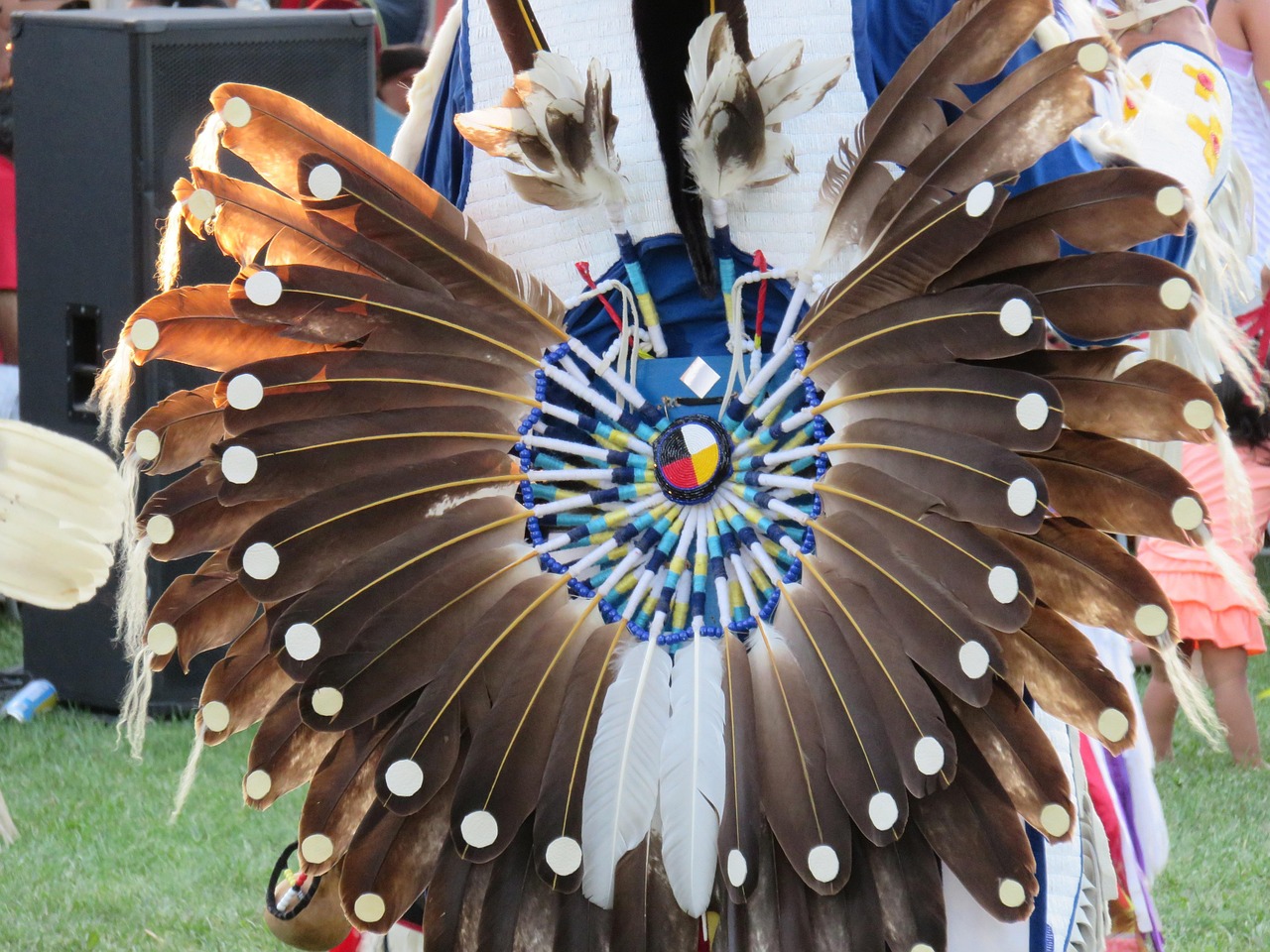
For indigenous cultures, art has never been merely decorative. It has always been language, memory, spirituality, and political expression. Today, indigenous artists around the world consciously use art as a form of resistance against colonial-history' target='_blank' rel='follow'>colonial narratives and imposed stereotypes.
Art as Survival
Despite centuries of oppression, many indigenous traditions survived through visual expression, storytelling, and performance. Contemporary indigenous art continues this lineage—not as nostalgia, but as assertion.
What Are Colonial Narratives?
- Indigenous peoples portrayed as “primitive”
- Seen as belonging to the past
- Reduced to victims rather than agents
- Stripped of individual voices
Artistic Strategies of Resistance
Reclaiming Symbols
Traditional motifs are recontextualized through street art, installations, and digital media.
Irony and Provocation
Colonial stereotypes are exaggerated and dismantled through visual confrontation.
Blending Tradition and Modernity
Hip-hop, photography, and fashion merge with ancestral knowledge, challenging static views of indigeneity.
Art as Political Voice
Indigenous art addresses land theft, environmental destruction, cultural appropriation, and identity struggles. It does not replace activism—it amplifies it.
Practical Wisdom from Indigenous Art Movements
- Stories belong to those who live them
- Tradition evolves
- Art may be uncomfortable
- Visibility is power
- Healing begins with truth
Who Is This Relevant For?
- Artists and creatives
- Decolonization scholars
- Educators and students
- Modern nomads
- Anyone questioning dominant narratives
Frequently Asked Questions
Is indigenous art always political?
Not always—but it is deeply contextual.
How does it differ from cultural appropriation?
It emerges from lived experience, not external extraction.
Why does visibility matter?
Because invisibility has long been a colonial tool.
Conclusion
Indigenous artists are not just challenging colonial narratives—they are rewriting them. Through art, they reclaim voice, space, and the right to define their own present and future.