
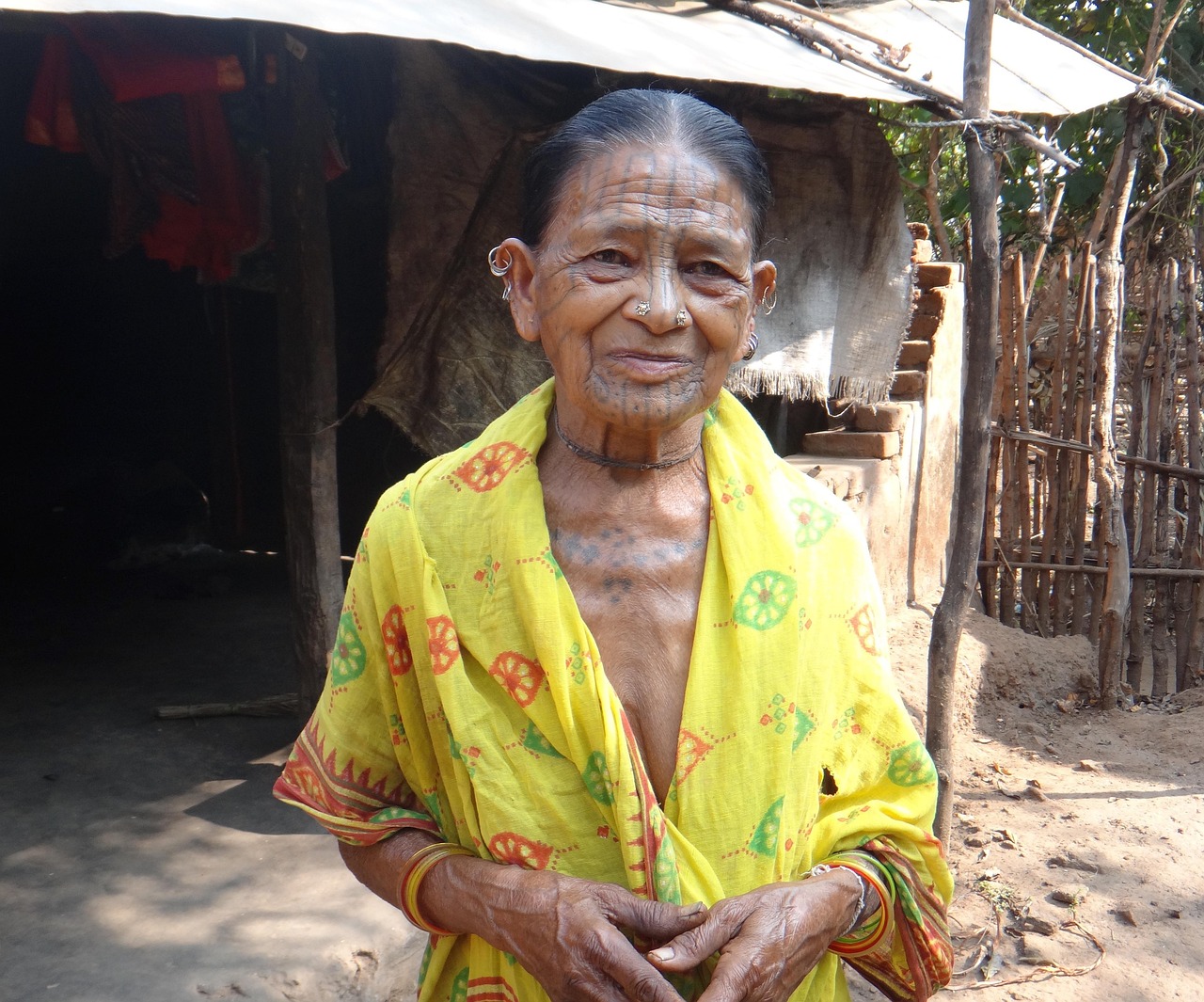
When we talk about climate change, we often think of abstract CO2 targets, melting polar ice caps, and distant future scenarios. But for hundreds of Indigenous communities worldwide, the climate crisis is not a looming possibility but a present, brutal reality. They are not only losing their livelihoods – they are losing their physical and cultural homeland. They are the planet’s first environmental refugees, even though they have contributed the least to the crisis. This article highlights why Indigenous peoples are so vulnerable, how the crisis concretely destroys their lives, and why their fate is an early warning system for us all.
The Perfect Vulnerability: Three Reasons Why Indigenous Peoples Are on the Front Lines
Their extreme vulnerability is no coincidence. It results from a tragic combination of factors:
1. Deep Dependence on Specific Ecosystems
Indigenous ways of life are not mobile or interchangeable. Over millennia, they have developed a symbiotic relationship with a very specific piece of land – the Arctic tundra, a small Pacific atoll, a tropical rainforest, or a desert region. Their entire knowledge of food, medicine, building, and spirituality is tailored to this one local ecosystem. If this ecosystem collapses, there is no “backup” system. An Inuit hunter cannot simply become a Mediterranean fisherman; the knowledge does not transfer.
2. Living in Climate-Sensitive “Hotspot” Regions
Coincidentally or not: Many Indigenous territories are located in the regions hardest hit by climate change.
- The Arctic: It is warming three times faster than the global average. For the reindeer herding of the Sámi or the hunting of the Inuit, unstable ice, unusual weather patterns, and dwindling animal populations are existential threats.
- Small Island States and Coastal Areas: Peoples like the Māori in New Zealand or communities in Papua New Guinea and the Solomon Islands watch as their land literally sinks into the sea or becomes uninhabitable due to saltwater storm surges.
- Arid Regions and Rainforests: Prolonged droughts destroy agriculture, uncontrollable wildfires threaten sacred sites, and displace wildlife.
3. Political Marginalization and Lack of Resources
Even if they see the threat, Indigenous communities often have no political power and no financial means to adapt or migrate. Their land rights are often weak or ignored, making it easy for governments or corporations to bypass them in “climate protection” projects (like dams). They have no access to insurance, flood-resistant housing, or state-led resettlement programs. Their vulnerability is also politically constructed.
Concrete Disasters: How Climate Change Destroys Indigenous Lives
1. Loss of Land and Home (Territorial Destruction)
Example: The Pacific: For the inhabitants of low-lying atolls like Kiribati or Tuvalu, rising sea levels are not a statistic. Saltwater intrudes into freshwater lenses, contaminating drinking water and farmland. Storm surges wash away homes and ancestral graves. Their entire physical homeland – and thus their national and cultural identity – is literally disappearing into the ocean. Becoming a “climate refugee” here means losing one’s nation.
2. Collapse of Traditional Food and Economic Systems
Example: The Arctic: For the Inuit, sea ice is the “highway” and the “supermarket.” It enables hunting for seals and whales. Due to warming, the ice becomes thin, breaks up early, and is unpredictable. Hunting trips become life-threatening, prey becomes scarce. The traditional, nutrient-rich diet must be replaced by expensive, imported, and unhealthy foods, leading to health problems and cultural alienation.
3. Threat to Cultural and Spiritual Integrity
Homeland is not just a piece of earth. It is a “cultural archive”. Every mountain, every river, every forest has a name, a story, and a spiritual meaning. When the sacred glacier melts or the forest with the totem poles burns down, it is not just matter that disappears, but a part of the collective memory and identity. This loss is a deep psychological and spiritual trauma.
The Double Injustice: Victims Without Recognition
The tragedy is compounded by two fundamental injustices:
- Least Contribution, Greatest Harm: Indigenous peoples have a tiny ecological footprint. Their ways of life are often inherently sustainable. Yet, they bear the brunt of emissions caused by industrialized societies.
- Lack of Recognition as “Climate Refugees”: International refugee law (Geneva Convention) protects people fleeing persecution, but not environmental destruction. There is no legal instrument that protects them or guarantees a right to compensation or resettlement. They fall through all legal cracks.
Why Their Fate Concerns Us All: Four Lessons
- They Are the Human Early Warning System: What is happening today in the Arctic, the Pacific, or the Amazon is a preview of what will happen elsewhere tomorrow. Their struggle shows the concrete humanitarian costs of climate change.
- They Are Guardians of Irreplaceable Knowledge: With every displaced community, a unique system of ecological knowledge disappears, which could be invaluable for adapting to climate change (e.g., about drought-resistant plants or water management).
- Their Right to Stay Is a Test Case for Climate Justice: True climate justice means supporting those who are most vulnerable. Their right to remain on their ancestral land (“Right to Stay”) or to resettle with dignity must be at the center of climate policy.
- Their Solutions Are Part of the Answer: Indigenous land and resource management often protects biodiversity and sequesters carbon more effectively than state-managed areas. Involving them as partners, not victims, in climate protection strategies is not only just but also smart.
What We Can Do: From Concern to Solidarity
- Tell the Stories: Platform Indigenous voices and media. Listen to their testimonies and share them. They are the best ambassadors for their own reality.
- Exert Political Pressure: Demand that governments integrate Indigenous rights into their climate plans (NDCs) and advance the recognition of “climate refugees” in international law.
- Support Indigenous Climate Activists: Organizations like Indigenous Climate Action (ICA) or The Indigenous Environmental Network advocate for climate and environmental justice solutions from an Indigenous perspective. Support them.
- Question Our Own Lifestyle: The emissions we cause in the Global North have direct impacts on frontline communities. Every reduction is an act of solidarity.
- Demand Corporate Responsibility: Question companies that extract resources on Indigenous land or carry out projects that increase climate vulnerability (e.g., deforestation).
Conclusion: Not Just an Environmental Problem, But a Question of Humanity
The fate of Indigenous peoples in climate change reveals the core of the crisis: It is not a purely ecological or technical challenge, but a profound crisis of justice, human rights, and our relationship with the Earth. They are the canaries in the coal mine of global warming. Their loss would be an immeasurable human and cultural catastrophe. Yet their resilience and knowledge could also be a key to our shared future. The question is not whether we will witness their crisis, but whether we have enough compassion and foresight to recognize it as our own and act together before it is too late for everyone. Their homeland is already on fire and under water. Our moral duty is at stake.