
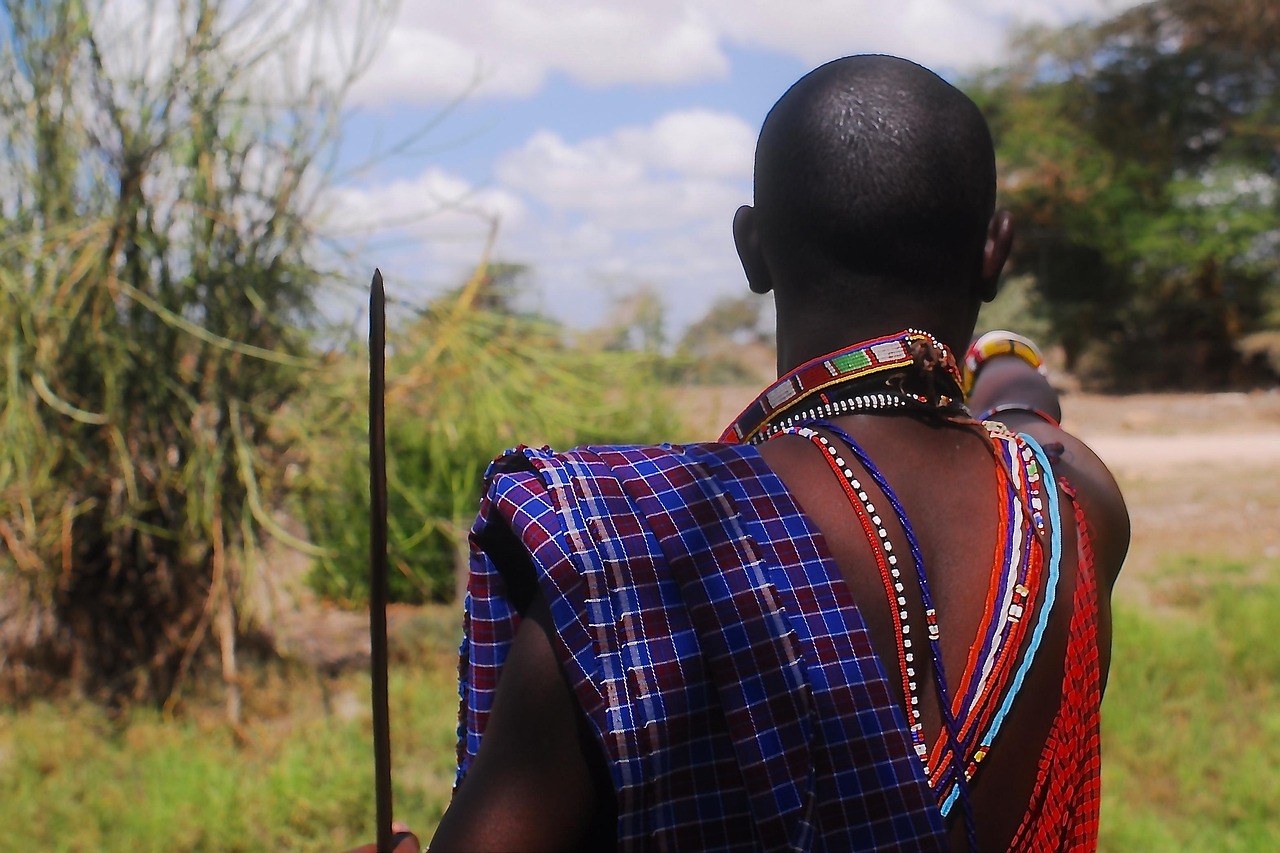
Many indigenous cultures show that true identity is not based on possessions, social status, or origin, but on inner values, community, and connection with nature. This understanding can enrich modern perspectives on self-worth and life guidance.
Historical Context
In numerous indigenous societies, the individual was closely integrated into the community. Status and material wealth played a minor role. Skills, knowledge, responsibility, and contribution to the group were highly valued.
Community Over Possessions
Resources were often shared and ownership was less central. Communal values were prioritized over individual gain. Identity developed through belonging, cooperation, and mutual support.
Personal Skills and Values
Recognition was based on abilities, wisdom, and social contribution. A person was important not because of land or wealth, but through actions and integrity.
Modern Relevance
Today, this understanding of identity can help individuals see self-worth independently from status symbols, origin, or material possessions. It fosters freedom, clarity, and satisfaction.
Practical Wisdom
- Focus on your skills and values rather than external symbols.
- Seek communities that encourage collaboration and respect.
- Live consciously without defining yourself through possessions or status.
- Use your experience and knowledge to help others and grow.
- Recognize the value of nature and community for self-understanding.
Who is it Relevant For?
- People wanting to define themselves independently of material or social standards.
- Spiritual seekers striving for inner freedom.
- Teachers, coaches, and mentors who wish to convey values over status.
- Anyone who values community and connection over possessions.
Frequently Asked Questions
Can identity really develop independently of status?
Yes, by focusing on inner values, skills, and contribution to the community, a strong sense of self can emerge.
How can these principles be applied daily?
By consciously letting go of external status symbols, nurturing community, and developing personal skills.
Are there examples from indigenous cultures?
Many indigenous peoples, such as the San, Inuit, or certain North American tribes, define identity by skills and social contribution rather than possessions or origin.
Conclusion
Understanding identity without status, possessions, or origin brings freedom, clarity, and deep connection. Indigenous ways teach that true self-understanding is shaped by inner values, community, and responsibility.