
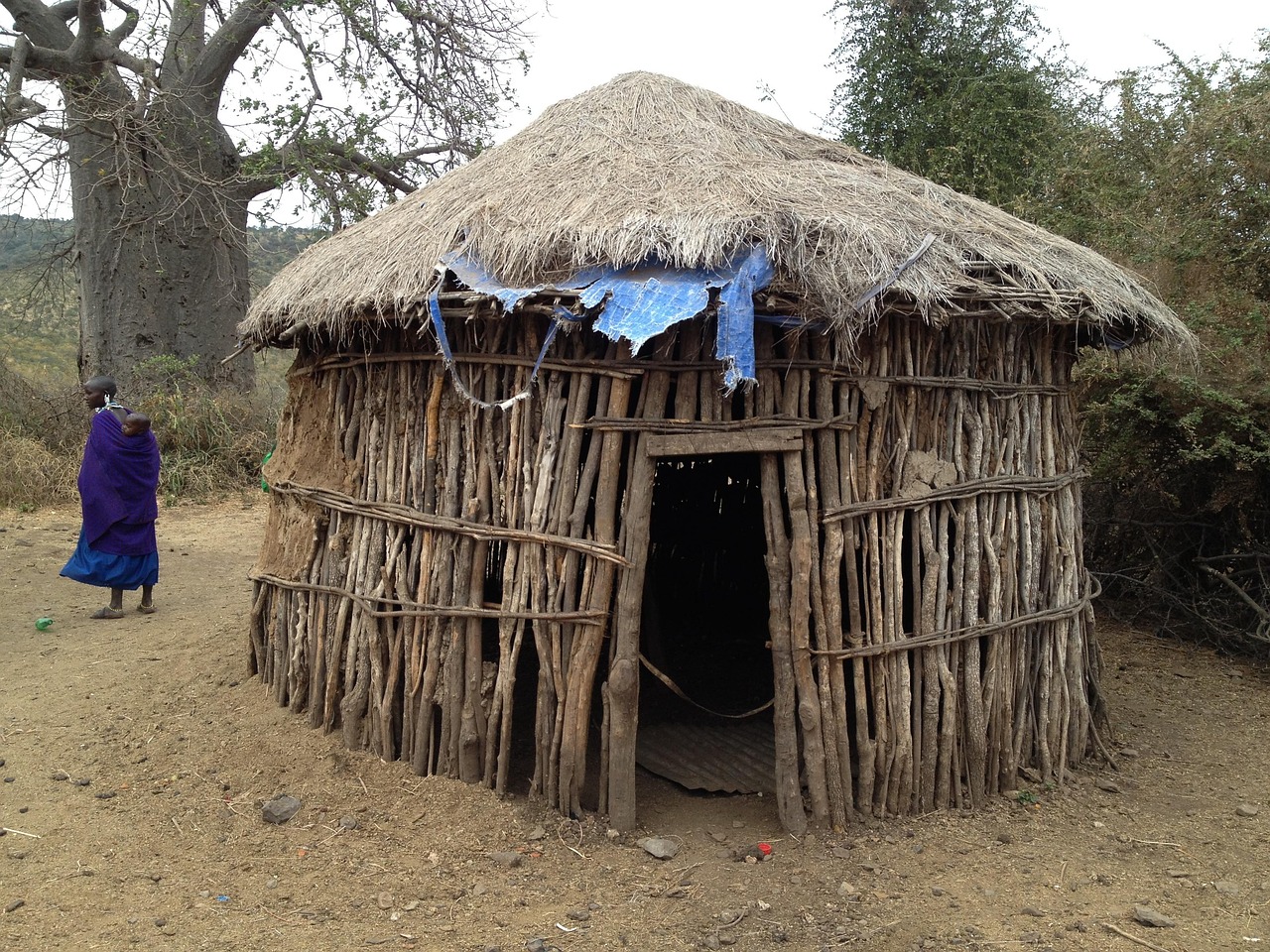
Many indigenous peoples lived for millennia without mechanical timekeepers. Instead, they followed natural cycles, the sun, moon, and biological rhythms. This understanding of time fosters mindfulness and harmony with the environment.
Historical Background
Indigenous peoples viewed time not as a linear sequence of hours and minutes but as a cyclical, living element. Life was guided by the movements of the sun, moon, stars, and seasons. Rituals, harvests, and hunting strategies were aligned with nature.
Cycles of Nature
Observing animal migrations, plant growth, and weather patterns formed the basis for everyday decisions. These cycles influenced meals, social activities, and spiritual practices.
Inner Rhythms
People followed their body’s needs, hunger, sleep, and energy levels. There was a deep connection between internal rhythm and external environment, supporting health, balance, and contentment.
Modern Relevance
Today, this cyclical understanding of time can help reduce the constant pressure of clocks, appointments, and deadlines. Mindfully following natural daily and yearly rhythms enhances well-being and productivity.
Practical Wisdom
- Observe natural cycles and align routines accordingly.
- Listen to your body and mind’s needs.
- Plan activities according to the day’s and year’s rhythms.
- Use rituals to consciously mark transitions.
- Learn to see time as cyclical, not strictly linear.
Who is it Relevant For?
- People seeking to reduce stress and live mindfully.
- Spiritually oriented and nature-connected individuals.
- Teachers, coaches, or therapists incorporating rhythms into daily life.
- Anyone aiming for harmony with nature and internal rhythm.
Frequently Asked Questions
How did indigenous peoples plan without clocks?
They used observations of the sun, moon, stars, and natural cycles, combined with experience and oral knowledge.
Can these principles be applied today?
Yes, for example by planning activities according to daylight, seasons, or body rhythms without strict schedules.
Are there studies on these life rhythms?
Anthropological studies and indigenous accounts document how natural rhythms supported health, social structure, and spirituality.
Conclusion
Living without clocks shows how closely humans can connect with nature and internal rhythm. Indigenous concepts of time inspire mindfulness, balance, and well-being in modern life.