
For millennia, the connection between earth and spirit, between ritual and daily life, has shaped the existence of Indigenous peoples across the Americas. But what does this spirituality look like in the 21st century, in a world of smartphones, social media, and global crises? Today’s Indigenous lifestyle is not a rigid adherence to the past, but a dynamic, creative, and often challenging balancing act—a constant reinterpretation of ancient wisdom under modern conditions. This article explores how Native Americans and First Nations keep their spiritual traditions alive, transform them, and use them as a compass for navigating life in a complex world.
The Foundation: Traditional Spirituality as a Living System of Relationships
To understand modern practice, one must know its roots. Traditional Indigenous spirituality is rarely a dogmatic belief in deities, but rather a practical, experience-based system of relationships. At its core is the conviction that everything in the world—humans, animals, plants, mountains, rivers—is ensouled and interconnected. Spirituality is therefore not something practiced only on Sundays; it permeates every action, from hunting and gathering to healing and storytelling. Key concepts include:
- Sacred Kinship: The recognition of animals, plants, and natural forces as relatives with whom one maintains a respectful exchange.
- Ceremonies as Life Anchors: Rituals such as the sweat lodge (Inipi), vision quest, sun dance, or specific harvest and thanksgiving ceremonies structure the year and mark life transitions. They serve for purification, strengthening, prayer, and maintaining balance.
- Place-Based Knowledge: Spirituality is often inseparable from a specific land, its stories, and its sacred sites. The land is not merely a homeland, but a teacher and a sacred text.
The Modern Indigenous Lifestyle: Hybrid Identities and Creative Adaptation
Today, most Indigenous people live in urban environments or commute between cities and reservations. Their lifestyle is a unique synthesis:
- Digital Nomads of Tradition: Social media is used to teach language (#NativeTikTok), share prayers, promote ceremonial events, and connect across continents. Platforms like Instagram become virtual galleries for Indigenous art and fashion.
- Indigenous Wellness and Health: Traditional practices such as smudging with sage or cedar, plant medicine, and spiritual counseling by healers are integrated into modern daily life, often alongside Western medicine. “Food Sovereignty” movements are returning to traditional, local foods to combat diabetes and strengthen cultural identity.
- Art as Spiritual Practice and Vocation: Contemporary Indigenous artists—such as painter and performance artist Kent Monkman (Cree) or jeweler and activist Bethany Yellowtail (Crow/Northern Cheyenne)—weave traditional motifs, materials, and stories with modern techniques and socio-political commentary. Their art is often prayer, healing, and activism in one.
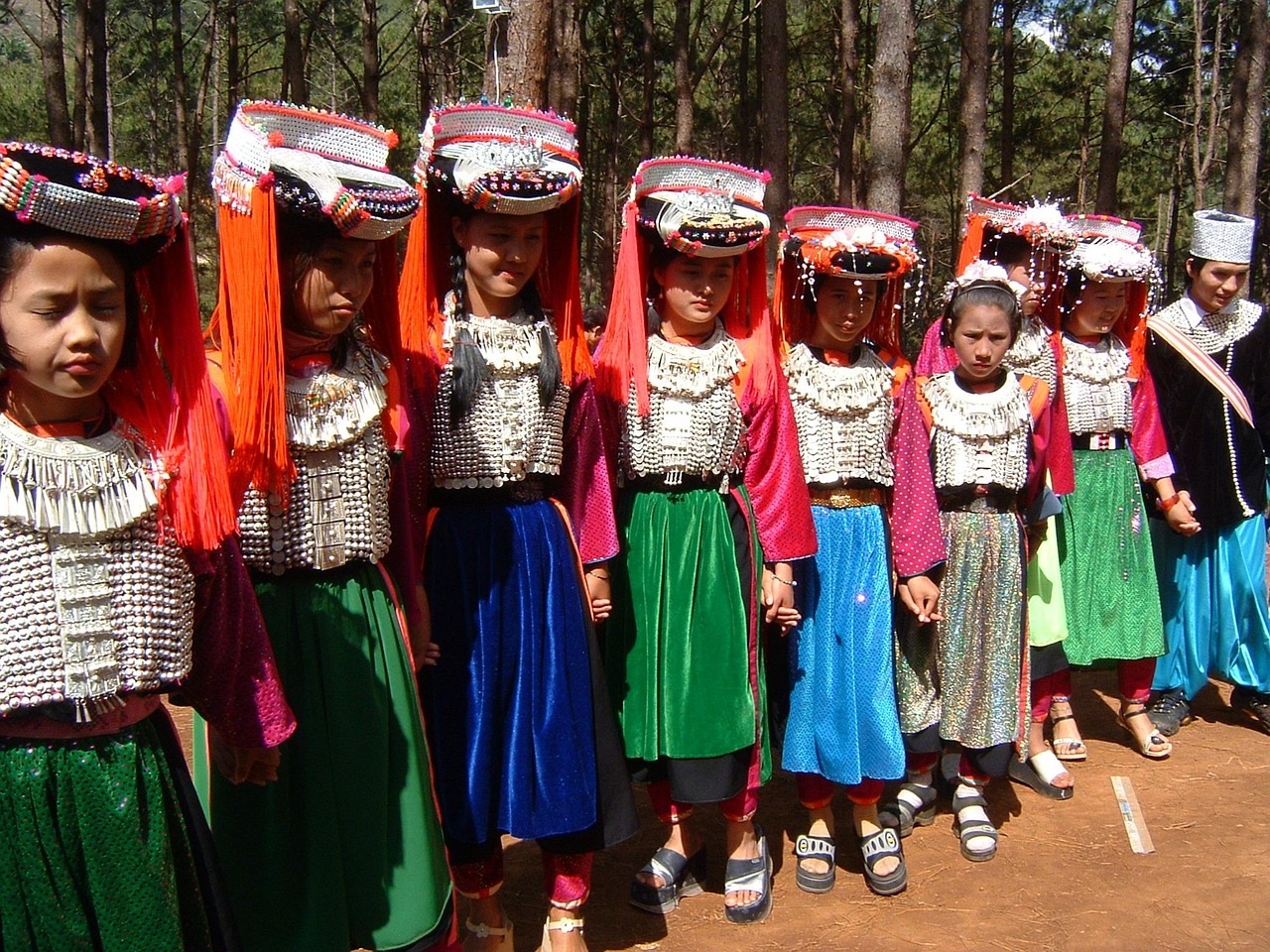
- Indigenous Fashion and Aesthetics: From traditionally inspired streetwear labels to high-profile designs on international runways: Indigenous fashion makers are confidently reclaiming their aesthetics and pushing back against cultural appropriation. Wearing certain garments or jewelry can be a conscious political and spiritual statement.
Challenges on a Narrow Path: Authenticity vs. Commerce
The balance between tradition and modernity is not always easy. Two major areas of tension shape the modern Indigenous lifestyle:
- The Struggle for Cultural Integrity and Against Appropriation: While Indigenous artists celebrate their culture, mainstream culture and the esoteric scene copy and dilute sacred symbols (feather headdresses, dreamcatchers), rituals (sweat lodge seminars by non-Indigenous people), and spiritual knowledge without context, permission, or respect. Part of the modern Indigenous “lifestyle” is therefore the active resistance against this dispossession of the sacred.
- Spiritual Continuity in a Fragmented World: The violent disruption of knowledge transmission through residential schools has created gaps. Many people today painstakingly seek out fragmented knowledge, reconstruct practices, and must decide what is appropriate in an urban, non-tribal context. The question, “What am I allowed to practice as an Indigenous person if my family was estranged?” is central and painful.
Spirituality as a Tool for Resilience and Activism
In current social and ecological struggles, spirituality becomes a source of unshakable strength. The fight for land restitution (Land Back), against pipelines, or to protect sacred sites is for many activists not a purely political act, but a spiritual and ceremonial one. Prayers, songs, and ritual actions accompany protest camps. Spirituality provides the ethical foundation: the responsibility for the seven generations to come justifies resistance against short-term profit interests. In this sense, the modern Indigenous lifestyle is also a lifestyle of engaged protection—of culture, land, and future.
Practical Use: Inspiration for a More Conscious Life
- Deepen Your Relationship to Place: You don’t have to adopt a specific ritual. Start by learning the history and original names of the land you live on. Walk with the intention to simply listen and perceive. See nature not as a backdrop, but as a community.
- Create Small Rituals of Mindfulness and Gratitude: Develop a personal practice that grounds you. This could be a quiet moment with a cup of tea in the morning, a gratitude journal, or the mindful preparation of a meal. The key is regularity and intent, not exotic form.
- Understand Consumption as Nurturing Relationships: When buying food, clothing, or art: ask yourself where it comes from and who benefits. Can you support local producers or Indigenous artists directly? This is a modern expression of the principle of reciprocity.
- Integrate Spirituality and Daily Life (Don’t Separate Them): Look for ways to let your values (e.g., interconnectedness, respect, sustainability) flow into your profession, hobbies, and relationships. Where can your “job” also become your “vocation” in service to something greater?
- Learn from Indigenous Activism—But Don’t Copy: Be inspired by the dedication and long-term thinking of Indigenous movements. Support their causes, but do not appropriate their specific, culturally protected symbols or practices. True solidarity respects boundaries.
Who Is This Article For? These Readers Will Benefit Particularly
- Spiritual Seekers looking for earth-based, non-dogmatic paths that are practicable in the modern world.
- Culture and Lifestyle Enthusiasts wanting to learn more about the contemporary Indigenous art, music, and fashion scene.
- People in Identity Processes seeking inspiration for engaging with their own cultural or family roots.
- Activists and the Ecologically Conscious searching for deeper philosophical foundations for their engagement.
- All who are curious about how ancient wisdom not only survives but remains vibrant and relevant in the 21st century.
Frequently Asked Questions on Indigenous Lifestyle & Spirituality Today
Can non-Indigenous people “adopt” something from this spirituality?
There is a crucial difference between cultural appropriation and respectful inspiration. Appropriation takes sacred symbols, rituals, or clothing out of their context and uses them for personal benefit or spiritual shopping. Respectful inspiration learns from the underlying principles—such as connection to nature, reciprocity, gratitude, cyclical thinking—and applies these in one’s own life and cultural context. One can honor the earth without building a sweat lodge; one can foster community without owning a talking stick.
How do Indigenous communities deal with change and potential “dilution” of their traditions?
This is a lively internal debate. Many communities emphasize that traditions have always been dynamic and adapted. The key lies in authority and control over change. When the community itself decides how to adapt and transmit its knowledge (e.g., through digital tools), it is renewal. When outsiders do it, it is often appropriation. Many see today’s creative flourishing (art, media) not as dilution, but as proof of the living and adaptable power of their culture.
What does “Land Back” mean in a spiritual context?
“Land Back” is far more than a political demand for the return of territories. In a spiritual context, it means the restoration of the sacred relationship to specific places. It is about regaining the responsibility and the right to protect sacred sites, grow traditional foods, conduct rituals in specific locations, and treat the land as a teacher and relative. It is the fundamental prerequisite for cultural and spiritual wholeness.
Conclusion: Not a Contradiction, But a Creative Synthesis
The Indigenous lifestyle and spirituality between tradition and modernity are not a contradiction, but rather proof of a profound evolutionary wisdom. They show that true spirituality lies not in turning away from the world, but in the conscious, responsible, and creative shaping of life within it. Indigenous people today are architects of their own future—weaving the strong threads of their heritage into the living fabric of the present.
Their path inspires us all to strive for greater wholeness: to use our technology with wisdom, transform our consumption into relationships, and not banish our spirituality to a separate sphere, but let it become the pulsating heart of our daily lives. In a time of global upheaval, this modern Indigenous way reminds us that the deepest answers often lie not in fleeing forward into the ever-new, but in the wise and courageous renewal of the ancient for the needs of today.
In honor of all who walk this narrow path with respect, creativity, and unbroken hearts, thereby lighting a way for coming generations—of all cultures.