
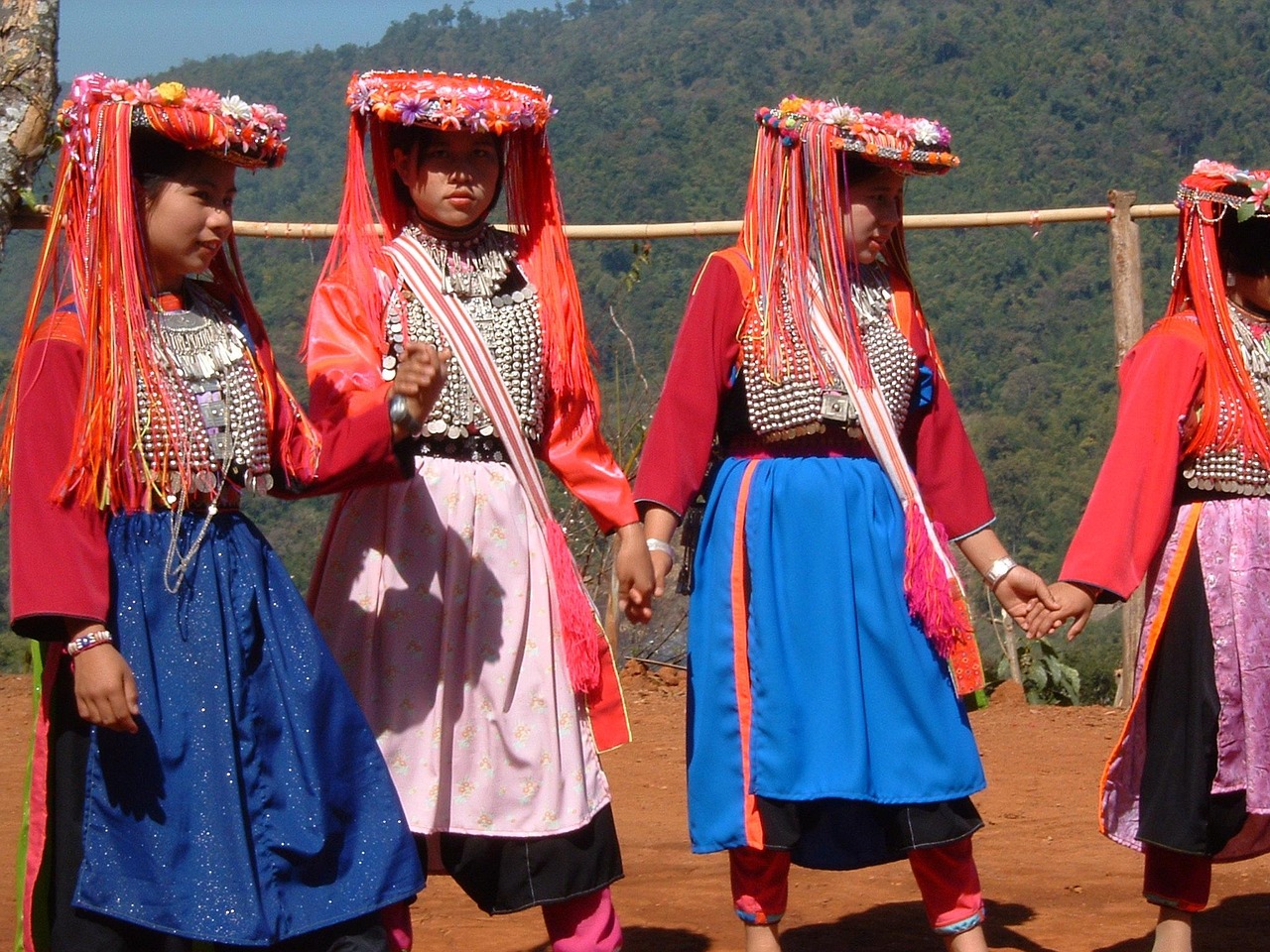
In the age of climate change and nature alienation, interest in sustainable ways of interacting with the plant world is growing. While the pharmaceutical industry often isolates single active ingredients, the traditional plant knowledge of Indigenous peoples preserves a holistic, deeply respectful approach – but what does science say about it? Ethnobotany, the interface between human cultures and plants, systematically researches and validates this ancient knowledge. This article introduces you to the fascinating world of ethnobotany and shows how it not only validates traditional applications of medicinal plants but also reveals a revolutionary understanding of ecosystems, sustainability, and spiritual connection.
Cultural and Historical Background: The Roots of Plant Knowledge
Systematic knowledge about plants in Indigenous cultures is not mere “natural history” but the foundation of survival, health, spirituality, and culture. Over millennia, peoples like the Maya, the herbalists of the Lakota, the gatherers and hunters of the San in southern Africa, or the rainforest peoples of the Amazon have built a vast arsenal of knowledge through meticulous observation and oral transmission. This knowledge is local, context-specific, and deeply interwoven with cultural narratives, taboos, and rituals. The colonial gaze often degraded this complex system to “superstition” or “folk medicine” while simultaneously exploiting valuable plant resources. Ethnobotany emerged in the early 20th century as an academic discipline to finally document and study these systems seriously – often in close collaboration with Indigenous knowledge keepers.
Traditional Meaning and Practices: More Than Just “Medicinal Plants”
In Indigenous worldviews, plants have diverse, inseparably interconnected roles:
- Medicine: Plants are used to treat physical and psychological illnesses. Application rarely occurs in isolation but often in complex mixtures, at specific moon phases, or accompanied by rituals.
- Food and Agriculture: Knowledge of edible roots, leaves, fruits, and seeds, as well as traditional cultivation methods like the “Three Sisters” (corn, beans, squash among North American peoples) ensured survival.
- Spiritual Connection: Certain plants are considered sacred or as mediators to spiritual worlds (e.g., tobacco as an offering, ayahuasca or peyote as sacramental teacher plants).
- Material Culture: Plants provide fibers for clothing and baskets, dyes for art, wood for tools and building materials.
The Scientific Dimension: What Ethnobotany Researches
Modern ethnobotany operates interdisciplinarily between anthropology, biology, pharmacology, and ecology. Its methods are diverse:
- Documentation and Cataloging: Scientists work with healers and Elders to collect, identify (herbarium), and detail the applications of plants.
- Phytochemical Analysis: In the laboratory, plants are analyzed for their bioactive constituents (alkaloids, terpenes, flavonoids, etc.) to understand the efficacy of traditional applications.
- Pharmacological Testing: Extracts are tested in vitro or in animal models for their therapeutic effects (e.g., anti-inflammatory, antimicrobial, cytotoxic against cancer cells).
- Ecological Studies: Research explores how Indigenous land use practices (e.g., controlled burning, agroforestry systems) preserve or even increase biodiversity.
A famous success story is the bark of the Madagascar periwinkle (Catharanthus roseus), used in traditional medicine in Madagascar for diabetes. Pharmacological research led to the discovery of the alkaloids vincristine and vinblastine, which are indispensable in cancer therapy today. Science thus does not blindly confirm every application but deciphers the rational core behind complex cultural knowledge systems.
Symbolism and Spiritual Dimension: The Plant as Teacher and Relative
The deepest insight of ethnobotany goes beyond chemical analysis: It acknowledges that Indigenous plant understanding is relational and spiritual. Plants are not seen as passive “resources” but as ensouled beings, teachers, or relatives. Harvesting often follows strict ethical rules: permission is asked (through prayer or song), only as much is taken as needed, and something is given back (an offering like tobacco). This respectful protocol not only ensures ecological continuity but reflects a worldview where everything is alive and interconnected. Science is beginning to recognize the value of this “ecological conscience” for conservation, even if it may not fully “prove” the spiritual dimension.
Modern Application and Relevance Today: Bridges to the Future
Ethnobotany is more relevant today than ever, providing solutions for global challenges:
- Medicine of the Future: In the face of antibiotic resistance and the search for new active ingredients, the “ethnobotanical approach” – from traditional knowledge to pharmacological lead structure – is more efficient than randomly screening thousands of plants.
- Food Security: Neglected traditional food plants (so-called “orphan crops”) can play a key role in climate-resilient agriculture due to their resilience and nutrient content.
- Biocultural Conservation: Protecting biodiversity is inseparable from protecting cultural diversity and the land rights of Indigenous peoples. Where Indigenous communities manage their land, biodiversity remains higher.
- Personal Connection to Nature: The ethnobotanical mindset invites us not only to identify plants but to perceive them in their wholeness – to understand their ecology, their stories, and our relationship to them.
Practical Use: What You Can Do With Ethnobotanical Knowledge
- Refine Your Perception of Nature: Go outside and learn not only the names of plants but research their traditional uses, ecological roles, and cultural stories. Apps and field guides are a starting point, but deep learning comes through persistent, respectful observation.
- Develop Your Own “Garden or Harvesting Ethos”: Adopt the principle of reciprocity. Plant native species that provide food for insects, harvest mindfully and gratefully, and engage in protecting local biotopes. Act from a feeling of connection, not ownership.
- Become a Critical Consumer: Question the origin of plant-based products (tea, supplements, cosmetics). Support companies that engage in fair partnerships with Indigenous communities and respect the Nagoya Protocol on access to genetic resources and fair benefit-sharing.
- Respect the Limits of Your Knowledge: Do not experiment on your own with unknown plants or traditional healing recipes, especially not with psychoactive substances. Indigenous knowledge is embedded in cultural context and applied by experienced individuals. Instead, seek sound education or collaboration with experts.
- Advocate for Biocultural Rights: Inform yourself about threats to Indigenous territories and traditional knowledge (through biopiracy, land grabbing, monocultures). Support organizations that advocate for the rights of Indigenous peoples and the protection of biodiversity.
For Whom Is This Article? These Readers Benefit Especially
- Plant and Nature Enthusiasts, who want to move beyond mere identification to a deeper understanding of the plant world.
- Spiritual Seekers, who want to experience how Indigenous traditions cultivate a living, ensouled relationship with nature.
- Aspiring Healers, Therapists, or Pharmacists, who want to understand the scientific basis of traditional medicine.
- Environmental Activists and Sustainability Interested, who are looking for models for a truly regenerative and respectful human-nature relationship.
- Anyone skeptical of “hippie-esotericism,” but open to a scientifically grounded appreciation of Indigenous wisdom systems.
Frequently Asked Questions About Ethnobotany
Isn’t every traditional plant use superstition? What is scientifically proven?
No. While some applications may be symbolic or culturally conditioned, pharmacological research shows an astonishingly high hit rate. Studies indicate that plants used for similar ailments in different, independent cultures have a significantly higher probability of containing pharmacologically active compounds. Science thus confirms the empirical validity of millennia-old human observation.
What is the difference between ethnobotany and cultural appropriation?
The crucial difference lies in respect, acknowledgment, and reciprocity. Cultural appropriation extracts knowledge or symbols from their context, often markets them without consent, and leaves the source culture unconsidered. Ethnobotany in the best sense works collaboratively, acknowledges Indigenous authorship, strives for fair benefit-sharing (e.g., through returning research results or profit-sharing), and respects cultural and intellectual property. It aims to understand, not exploit.
Can I practice ethnobotany as a beginner?
Yes, absolutely! Start in your immediate surroundings. Learn the most important native plants in your region – not just their names, but also their ecological function and their historical use by the local population (e.g., in Europe by Celtic or Germanic peoples). Take courses at reputable institutions (adult education centers, ecological stations) that combine basic botanical knowledge with cultural-historical background. The first and most important step is developing an attitude of respect and attentive observation.
Conclusion: The Plant as a Bridge Between Worlds
Ethnobotany is more than an exotic niche science. It is a bridging discipline that shows that the deep, traditional knowledge of Indigenous peoples about plants does not contradict modern science but can rather enrich and inspire it. It proves that rational efficacy and spiritual connectedness need not be opposites. For us today, this approach offers a guiding compass: It teaches us to see nature not as a commodity but as a community of relatives with whom we can engage in a respectful and reciprocal exchange.
By understanding the science behind the plant knowledge of Indigenous peoples, we not only honor their intellectual and cultural achievements. We also unlock a key to a more sustainable, healthier, and more meaningful relationship with the green world that sustains us all. May this introduction to ethnobotany forever change your walks – from merely traversing a landscape to a conversation with ancient, wise relatives.
In respectful acknowledgment of the Indigenous knowledge keepers, healers, and Elders on all continents who have preserved and shared this invaluable heritage against all odds so that all creatures may thrive.