
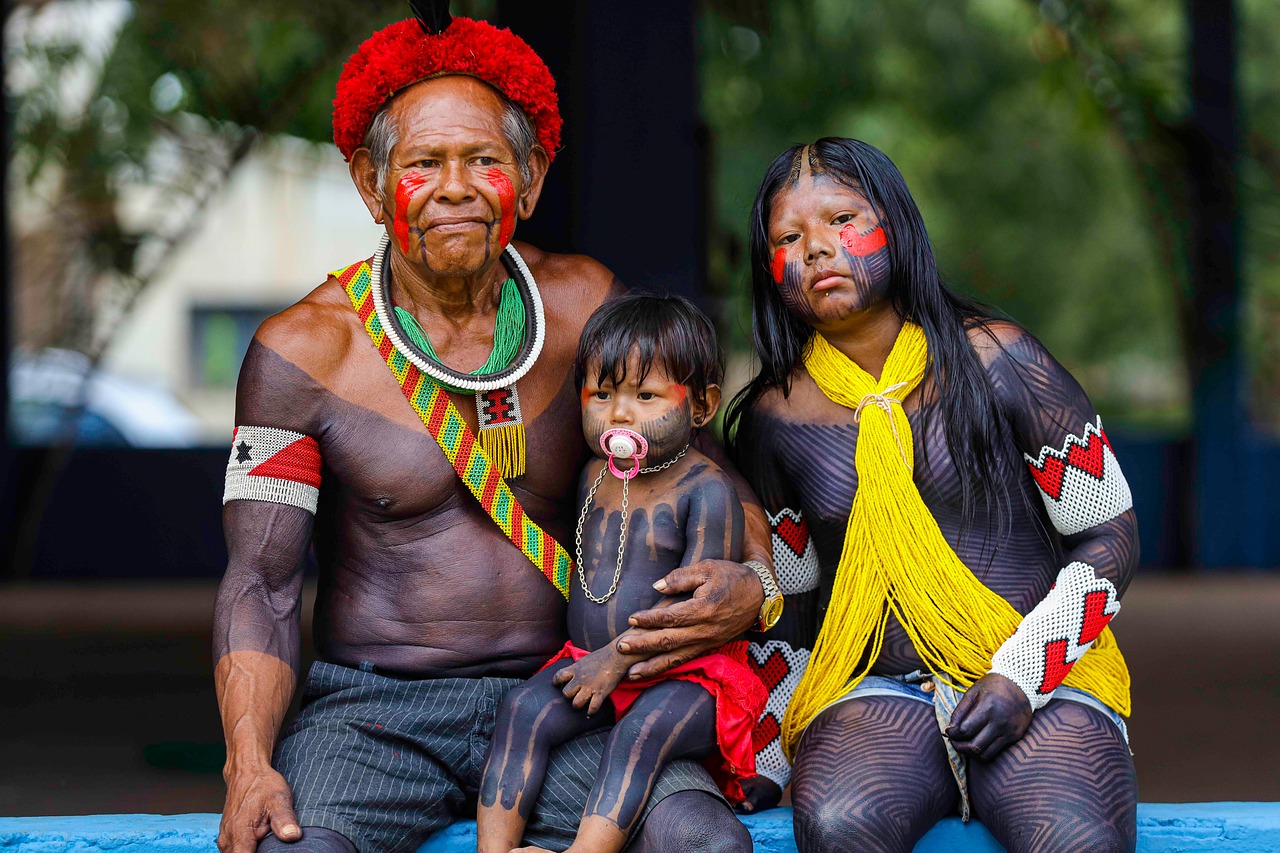
Land Back: One of the Most Radical Ideas of Our Time – And Yet Ancient
What if one of the most radical concepts of our time is actually ancient?
Land Back – just two words, yet they represent one of the most important Indigenous movements of the 21st century. But what does it truly mean to return land, and what real successes has the movement already achieved?
Dive into the modern movement for the restoration of Indigenous lands and discover how ancient rights are being reclaimed today.
Land Back Is More Than Land – It Is a Philosophy
The Land Back movement is often misunderstood as a simple demand to return property. In reality, it is a deep philosophical and political movement that calls for the restoration of the relationship between Indigenous peoples and their ancestral lands.
Core principles of Land Back:
- Return of land and resources
- Restoration of Indigenous sovereignty
- Revival of cultural practices
- Protection of sacred sites
- Rebuilding sustainable communities
Historical Roots: The Struggle Is Not New
Although the term Land Back is modern, the roots of resistance stretch back to the earliest days of colonization.
Milestones of historical resistance:
- Pontiac’s War (1763): Early demands for land restitution
- Red Cloud’s War (1866–1868): Successful resistance against the Bozeman Trail
- Occupation of Alcatraz (1969–1971): Modern occupation based on treaty rights
- Wounded Knee II (1973): A 71-day occupation demanding sovereignty
The Modern Movement: From Hashtag to Real Change
The contemporary Land Back movement gained momentum through social media and younger activists, but it is rooted in centuries of Indigenous activism.
Key organizations and initiatives:
- NDN Collective: Leading organization with a holistic approach
- Land Back Foundation: Financial support for land reacquisition
- Seeding Sovereignty: Indigenous-led climate justice work
- Indigenous Climate Action: Connecting land restitution with environmental protection
Concrete Successes: When Demands Become Reality
1. Returning National Parks? A Beginning Has Been Made
History: Many U.S. national parks were taken from Indigenous nations without consent.
Success: In 2020, the Esselen Tribe regained 1,200 acres of ancestral territory in California, including coastal access.
2. The Return of the Bison – More Than Animals
History: The extermination of bison was used as a tool to subjugate Plains peoples.
Success: The Blackfeet Nation and other tribes have reintroduced thousands of bison onto reclaimed land.
3. Water Is Life – Restoring Water Rights
History: Water rights were systematically stripped away.
Success: The Colorado River Indian Tribes regained significant water rights.
4. Urban Land Returns – Cities Are Taking Action
History: Cities such as Seattle, Chicago, and Minneapolis were built on Indigenous land.
Success: Seattle returned land in Discovery Park to the Duwamish Nation.
5. Churches Returning Land – A Moral Shift
History: Many churches held land acquired during colonial eras.
Success: The United Church of Canada and others have begun returning land.
Legal Strategies: How Land Is Being Reclaimed
Treaty Rights as Leverage
Many land returns rely on historic treaties that were never honored.
Example: The 1868 Fort Laramie Treaty continues to support modern land claims.
The Trust Model
Land is returned in trust, with Indigenous communities serving as guardians and stewards.
Purchases and Donations
An increasing number of tribes are buying back their ancestral lands, often with NGO support.
International Examples: A Global Movement
Canada: The Path of Reconciliation?
Canada has carried out significant land restitutions to First Nations, though many commitments remain unfulfilled.
Australia: Native Title Rights
The 1992 Mabo decision recognized native title rights for the first time, paving the way for land returns.
New Zealand: The Treaty of Waitangi
Through the Waitangi Tribunal process, Māori have achieved major land restitutions and financial settlements.
Economic Aspects: More Than Symbolism
Land restitution provides tangible economic benefits for Indigenous communities.
Economic benefits include:
- Sustainable resource management
- Eco-tourism on Indigenous terms
- Traditional agriculture
- Cultural enterprises
Environmental Protection and Land Back: A Natural Alliance
Research shows that Indigenous-managed lands are often better protected than government-run conservation areas.
Environmental achievements include:
- Higher biodiversity
- Better forest conservation
- Traditional ecological knowledge for climate resilience
Challenges and Criticism
Despite many successes, the Land Back movement faces significant obstacles.
Current barriers:
- Political resistance at federal and state levels
- Complex property structures
- Financial limitations
- Public misunderstanding of the movement
The Role of the Youth: New Energy for an Ancient Fight
Young Indigenous leaders bring new tactics and fresh perspectives.
Innovations from the younger generation:
- Social media campaigns
- Artistic interventions
- Links to climate activism
- International solidarity networks
How Non-Indigenous People Can Support the Movement
Solidarity means respecting Indigenous leadership and supporting it meaningfully.
Ways to support:
- Practice and deepen land acknowledgments
- Support Indigenous organizations financially
- Educate your own communities
- Support political measures that facilitate land restitution